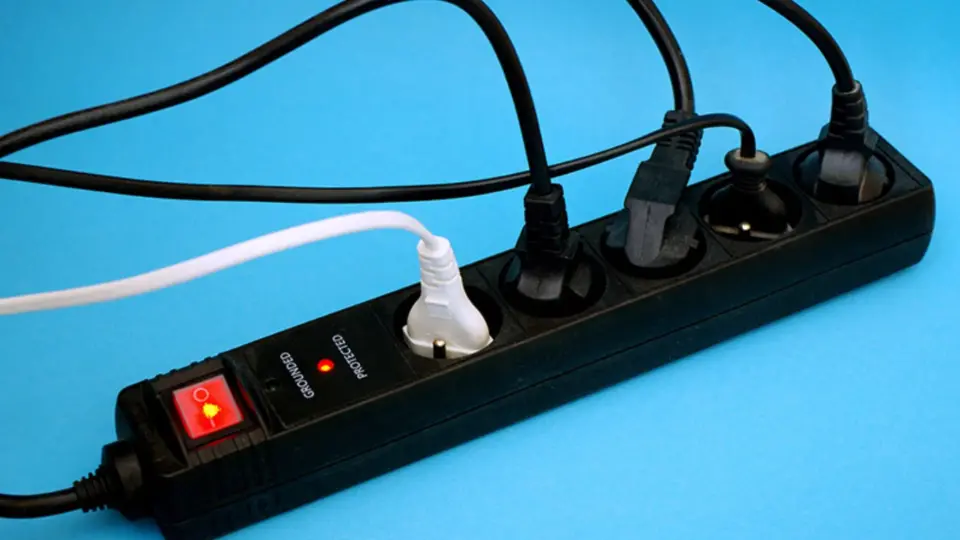
Power surges are often misunderstood by homeowners. Many people assume they only happen during lightning storms or major utility failures, while brief flickers are brushed off as harmless.
However, surges can be an important warning sign that something deeper is happening in the electrical system.Modern homes depend on steady power for appliances, HVAC units, electronics, and smart devices. When voltage spikes occur repeatedly, they may point to weaknesses in wiring, panel connections, or aging infrastructure.
Surges can damage electronics, shorten appliance lifespan, and even increase fire risk. Understanding their cause helps prevent costly and dangerous electrical problems.
What causes power surges to happen in a home electrical system?
A power surge occurs when there is a sudden increase in voltage flowing through a home’s electrical system. Homes are designed to operate at a steady level of electrical current, but when that balance is disrupted, excess voltage can surge through outlets and circuits.
Surges can happen for several reasons, both external and internal.
External causes often include:
- Lightning strikes near power lines
- Utility grid switching or power restoration
- Downed lines or transformer problems
- Sudden changes in neighborhood electrical load
While lightning gets the most attention, the majority of surges actually come from inside the home.
Internal surge causes include:
- Large appliances cycling on and off
- HVAC systems starting up
- Refrigerators and freezers drawing heavy power
- Washing machines or dryers triggering load shifts
- Faulty wiring creating unstable current flow
Even everyday devices can cause small surges as they turn on, especially in older electrical systems that are already under stress.
Another major cause is outdated electrical infrastructure. Homes with older wiring, overloaded circuits, or panels that were not built for modern electrical demand are more prone to surges.
In many cases, a surge is the electrical system’s way of showing that power is not being distributed smoothly.
Surges are not always dramatic, but they are significant. They indicate instability, and that instability often begins with an underlying electrical weakness.
What can frequent power surges indicate about wiring problems?
Frequent power surges are one of the clearest indicators that wiring problems may exist within the home.
Occasional surges from utility activity can happen, but repeated surges suggest something internal is contributing to voltage instability.
Wiring issues that may lead to frequent surges include:
- Loose electrical connections
- Damaged wire insulation
- Improper grounding
- Overloaded circuits
- Outdated wiring that cannot handle modern loads
Loose connections are especially dangerous. When wiring connections are not secure, electricity can arc or jump, creating sudden spikes and fluctuations. This not only causes surges but also increases fire risk.
Improper grounding is another common wiring issue. Grounding helps excess voltage safely dissipate. Without proper grounding, surges have nowhere to go, and sensitive devices absorb the impact.
Older homes may also have wiring systems that were never designed for today’s electrical use. When multiple high-demand appliances run simultaneously, wiring strain increases, leading to surges.
Signs that wiring problems may be present include:
- Lights flickering regularly
- Outlets feeling warm
- Buzzing sounds near switches
- Breakers tripping frequently
- Surges occurring when appliances start
Frequent surges should never be ignored. They often point to wiring weaknesses that need professional evaluation before they worsen.
Wiring problems are usually hidden, but power surges make them noticeable through repeated electrical instability.
How do power surges expose weaknesses in an electrical panel?
The electrical panel is the central distribution point for all power flowing through the home. When surges occur, the panel is often the first place where weaknesses become evident.
A strong electrical panel should regulate and distribute electricity safely. But if the panel has aging components, loose breakers, or overloaded capacity, surges can reveal those vulnerabilities quickly.
Surges expose panel weaknesses by placing sudden stress on:
- Breaker connections
- Bus bars inside the panel
- Main service wiring
- Circuit load balance
- Panel grounding systems
Older panels may have worn internal parts that no longer manage voltage spikes effectively. Some panels may also be undersized for the home’s current electrical demand, especially if new appliances or renovations have increased load over time.
When an electrical panel is struggling, surges may lead to:
- Breakers tripping unexpectedly
- Lights dimming or brightening during appliance use
- Burning smells near the panel
- Crackling sounds from breaker areas
- Inconsistent power delivery across circuits
Surges also highlight whether the panel is properly grounded and whether surge protection is in place. Without protective systems, the panel cannot safely redirect excess voltage, allowing damage to spread through circuits.
In some cases, repeated surges are a sign that the panel itself needs repair or replacement.
Power surges are often less about the surge itself and more about what the surge reveals: a panel that may no longer be providing stable, safe electrical control.
Why are hidden electrical faults often linked to sudden voltage spikes?
Hidden electrical faults are one of the most common reasons surges become recurring problems. These faults exist behind walls, inside panels, or within wiring pathways and may not be obvious until voltage instability occurs.
Electrical faults create resistance, imbalance, or interruption in the normal flow of electricity. When current cannot flow smoothly, voltage may spike suddenly as the system reacts.
Common hidden faults linked to surges include:
- Loose wire terminations
- Corroded connections
- Aging breaker components
- Damaged wiring from pests or moisture
- Overloaded circuits creating strain
- Improper electrical work from past installations
Many homeowners don’t realize that small faults can build over time. A slightly loose connection may cause occasional surges at first, then worsen into overheating, breaker failure, or fire hazards.
Voltage spikes occur because electricity always seeks the easiest path. When faults disrupt that path, pressure builds within the circuit, leading to sudden surges.
Hidden faults are dangerous because they often show no visible warning until a surge damages electronics or breakers begin failing.
Surges are one of the few outward signs that something unseen may be wrong.
Addressing surges early helps uncover faults before they escalate into costly repairs, appliance damage, or safety emergencies.
Sudden voltage spikes are not just electrical annoyances. They are often the system signaling that hidden weaknesses need attention.
Protect Your Home by Identifying the Real Cause Behind Power Surges
Power surges are more than brief flickers, they can reveal serious hidden weaknesses in wiring, electrical panels, and internal connections.
Frequent voltage spikes may signal loose wiring, overloaded circuits, grounding issues, or aging electrical infrastructure that needs professional attention. Catching these problems early helps prevent appliance damage, costly repairs, and potential fire risks.
If you’ve noticed recurring surges or unstable power in your home, schedule a safety inspection today with The Go-To Crew Electric and ensure your electrical system stays reliable and protected.