A sparking outlet or tripped breaker can make any homeowner wonder whether to grab tools or call for help. You need a professional electrician when the issue involves wiring, panels, burning smells, repeated breaker trips, water exposure, or anything you cannot clearly identify.
A simple DIY fix is usually limited to tasks like resetting a breaker, changing a bulb, or replacing batteries in smoke alarms. Electrical work has real risks, so the safest choice is to know where your limits are before touching anything.
What Electrical Repairs Can Homeowners Safely Do Themselves?
Some electrical tasks are reasonable when no wiring is changed.
Safer DIY Tasks
You can usually reset one tripped breaker, replace bulbs, test GFCI outlets, change smoke detector batteries, and use properly rated outlets.
You can also check whether a switch is off, a cord is damaged, or a power strip is overloaded.
Where DIY Should Stop
A DIY electrical repair becomes risky when you expose wiring, change connections, or guess.
If power keeps failing after a reset, stop now. Repeated trips are a symptom, not an inconvenience.
The best DIY step is observation. Write down when the issue happens, what else is running, and whether it affects one outlet or several rooms. That information helps an electrician diagnose faster.
When Should You Call an Electrician Instead of Attempting a DIY Repair?
Call a professional electrician when the problem is recurring, unclear, or connected to permanent wiring. Electrical issues may start inside walls, panels, or junction boxes.
Call for professional help when you notice:
- Breakers that trip often
- Lights that flicker across rooms
- Outlets that feel warm
- Buzzing sounds
- Burning odors
- Sparks
- Shocks
- Discolored wall plates
Call if water has reached outlets, switches, fixtures, or the panel.
Cost and Tradeoff
DIY may seem cheaper at first. The problem is that mistakes can damage appliances, create fire hazards, or require more expensive repairs later.
A service call costs more than guessing, but it gives you diagnosis, code awareness, safer repairs, and documentation.
Is It Safe to Replace an Electrical Outlet on Your Own?
Outlet replacement can be simple for someone with proper knowledge, but it is not automatically safe for every homeowner. The risk depends on the circuit, wiring, outlet type, grounding, and whether power is fully off.
What Can Go Wrong
Loose connections can overheat. Reversed polarity can create shock hazards. Missing grounding can make devices unsafe. The wrong outlet rating can overload the circuit.
Older homes may not match modern outlet expectations.
Best Rule
If you are not comfortable testing for power, identifying wires, matching amperage, and confirming grounding, call a professional electrician.
Replacing an outlet is not just matching colors. It requires knowing why the outlet failed and whether the circuit is safe.
What Are the Warning Signs of a Serious Electrical Problem?
Serious electrical problems often give warnings before they become emergencies. Do not ignore them because power still works.
Common Warning Signs
Watch for burning smells, melted plastic, black marks near outlets, popping sounds, warm switches, flickering lights, frequent breaker trips, or mild shocks when touching appliances.
A breaker that will not reset is also a warning sign.
Panel and Wiring Concerns
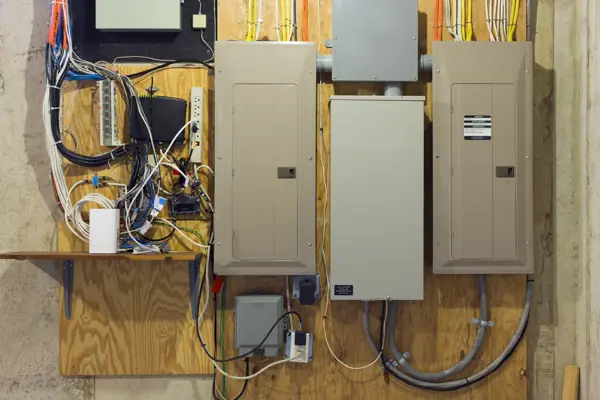
Rust, moisture, buzzing, heat, or corrosion around the electrical panel should be checked quickly.
Old wiring, aluminum wiring, damaged insulation, or too few outlets need professional evaluation.
These signs mean the system needs attention before normal use continues.
Can DIY Electrical Work Affect Home Insurance Coverage?
Yes, DIY electrical work can affect insurance coverage, especially if unpermitted or improper work contributes to damage. Policies vary, but many expect electrical systems to be maintained safely and repaired to code.
Why Documentation Matters
Licensed work creates a clearer record. Permits, invoices, and inspection notes can show repairs were done properly.
Unverified DIY wiring can raise questions after a fire, shock, or property damage claim.
Selling Your Home
DIY electrical work can also create problems during a home inspection. Buyers may ask for repairs, permits, or credits if wiring looks incorrect.
If you are unsure, ask an electrician in Chesterfield, VA before starting. Local rules matter because requirements can change by project.
How Dangerous Is Fixing Electrical Wiring Without Experience?
Fixing wiring without experience is dangerous. A wire can be live even when a switch is off.
Main Risks
The biggest risks are shock, burns, arc flashes, electrical fires, damaged electronics, and unsafe circuits hidden behind walls.
A connection can look fine but still be loose enough to heat over time.
The Hidden Problem
Bad electrical work may not fail immediately. It can overheat behind a wall until symptoms appear later.
Electricians trace the cause, test the circuit, and check whether the repair meets safety standards.
What Electrical Jobs Legally Require a Licensed Electrician?
Rules vary by location, but many electrical jobs require a licensed electrician, a permit, or an inspection. This is especially true when work affects wiring or service.
Jobs That Often Require a Pro
Panel replacements, new circuits, service upgrades, generator connections, EV charger wiring, major remodel wiring, outdoor wiring, hot tub wiring, and whole-home rewiring often require licensed work.
Work in kitchens, bathrooms, garages, basements, and exterior areas may also need special protection, such as GFCI or AFCI devices.
Why Licensing Matters
Licensing protects the homeowner. It supports code compliance, load calculations, and safety.
Before starting any major electrical project, check local rules or speak with a licensed electrician in Chesterfield, VA.
Key Insights
Electrical decisions come down to risk, knowledge, and scope. Homeowners can safely handle basic checks, bulb changes, smoke alarm batteries, and one-time breaker resets.
A DIY electrical repair is not wise when wiring, panels, heat, sparks, burning smells, water, repeated failures, or permits are involved. A professional electrical repair costs more upfront, but can diagnose the real cause, protect your home, document the work, and reduce future problems.
When unsure, the safer choice is to stop and ask before removing covers or touching wires, especially in older homes with aging wiring.
Call Before the Problem Gets Bigger
Small electrical issues are easier to fix before they become costly. At The Go-To Crew Electric, we help homeowners understand what is safe, what is urgent, and what needs licensed repair.
If you need an electrician in Chesterfield, VA, we can inspect the problem, explain the options, and complete the work with care. We do not believe in pressure or confusion. We believe in clear answers, safe repairs, and practical guidance you can trust.
If something smells hot, sparks, trips often, or simply does not feel right, contact The Go-To Crew Electric today for reliable help from a local team.
How Do I Know If I Need a Professional Electrician or a Simple DIY Fix?