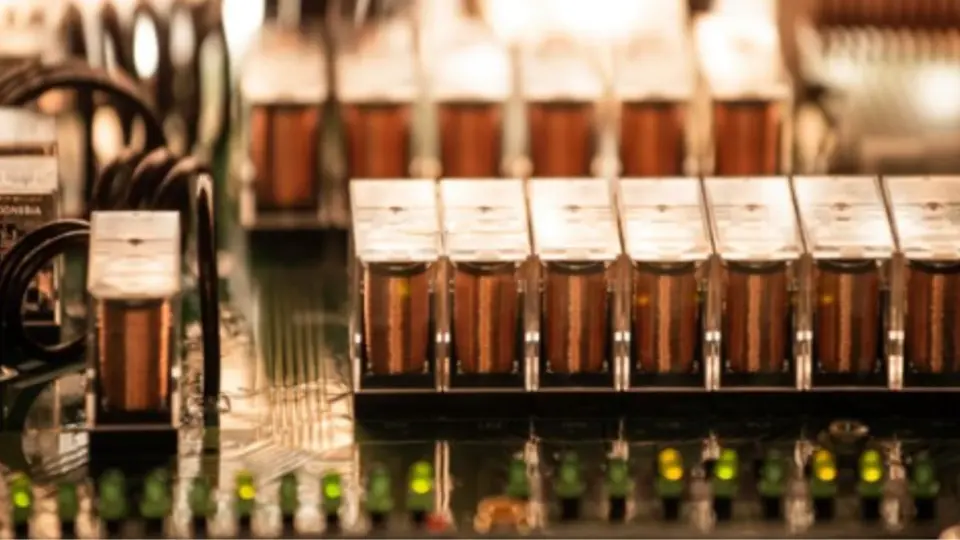
Electricity powers nearly everything in your home, from lights and appliances to computers and entertainment systems. At the center of that system is the circuit breaker. This small but important device protects your home’s wiring by shutting off electricity when a circuit becomes overloaded or unsafe.
When a breaker stops working properly, it can cause frequent power interruptions and may even create a safety risk. Understanding when a breaker needs repair or replacement can help keep your home running safely and efficiently.
What Does a Circuit Breaker Do?
A circuit breaker is designed to protect your home’s electrical system. It automatically shuts off the flow of electricity when a circuit is drawing more power than it can safely handle. Without this safety feature, wires could overheat and potentially cause electrical fires.
The breaker panel distributes electricity from the main power supply to different circuits throughout the home. Each breaker is responsible for protecting a specific area or set of outlets. When too many appliances run on the same circuit, the breaker trips to prevent overheating and damage.
Signs Your Circuit Breaker Needs Repair or Replacement
Circuit breakers are built to last for many years, but like any electrical component, they can wear out or become damaged over time. Knowing the warning signs can help you catch problems early.
Circuit Breaker Keeps Tripping
Occasional breaker trips are normal, especially when a circuit becomes overloaded. However, if a breaker trips frequently without a clear reason, it may be failing or unable to handle the electrical load.
Breaker Will Not Stay Reset
If you flip a breaker back on and it immediately trips again or refuses to stay in the ON position, the breaker itself could be faulty.
Burning Smell or Heat from the Panel
A burning odor or a panel that feels warm to the touch is a serious warning sign. These symptoms may indicate overheating wires or internal damage.
Visible Damage or Scorch Marks
Burn marks, discoloration, or melted wires around the breaker panel suggest electrical damage and should be inspected immediately.
Flickering Lights or Power Loss
Lights that flicker or sudden power interruptions in certain areas of the home can sometimes point to a failing circuit breaker.
Troubleshoot Before Replacing a Circuit Breaker
Before assuming the breaker needs replacement, it’s important to check if the issue is simply a tripped circuit.
How to Identify a Tripped Circuit Breaker
Open your breaker panel and look for a switch that is sitting between the ON and OFF positions. That usually indicates a tripped breaker.
How to Reset a Circuit Breaker Safely
To reset the breaker, push the switch completely to the OFF position and then flip it back to ON. If power returns and the breaker stays on, the issue may have been a temporary overload.
When a Simple Reset Solves the Problem
Sometimes a breaker trips because too many devices are plugged into one circuit. Reducing the electrical load may prevent future trips.
When Repeated Tripping Indicates a Bigger Issue
If the breaker trips repeatedly, it could signal a damaged breaker, faulty wiring, or a circuit that requires additional capacity.
When a Circuit Breaker Can Be Repaired Instead of Replaced
Not every electrical issue means you need a full replacement. In some cases, an electrician can repair the problem quickly.
Loose or Damaged Wiring
Loose wires connected to the breaker can interrupt power flow and cause overheating. Tightening or repairing the wiring may solve the problem.
Blown Fuses
Older electrical panels may use fuses instead of modern breakers. Replacing a blown fuse is often a simple repair.
Minor Panel Issues
Small issues inside the panel, such as loose connections or worn components, may be repairable without installing a new breaker.
Electrical Load Problems
If a circuit is overloaded with appliances, an electrician may recommend adding another circuit instead of replacing the breaker.
When You Should Replace a Circuit Breaker Panel
In some situations, replacing the breaker or the entire electrical panel is the safest option.
Outdated Electrical Panels
Older panels, particularly Federal Pacific Electric (FPE) or Zinsco models, are known for safety concerns and should be upgraded.
Frequent Electrical Failures
Repeated outages or breaker malfunctions may indicate that the system is no longer reliable.
Panel Overheating
If the electrical panel becomes hot or emits unusual sounds or smells, it may need immediate replacement.
Electrical Upgrades During Renovations
Home additions, large appliances, or renovations can increase electrical demand. An upgraded panel may be necessary to support the extra load.
How to Replace a Circuit Breaker (Step-by-Step)
Replacing a breaker requires careful attention to safety. If you are not comfortable working with electricity, it is best to call a professional electrician.
Step 1 – Inspect the Breaker Box
Look for signs of rust, moisture, burned wires, or other damage before starting.
Step 2 – Turn Off the Main Power
Always shut off the main power supply to prevent working with live electricity.
Step 3 – Remove the Breaker Box Faceplate
Use insulated tools to remove the panel cover and access the breakers.
Step 4 – Check for Interior Damage
Inspect the wiring and connections inside the panel for any visible problems.
Step 5 – Test for Electrical Current
Use a voltage tester or multimeter to confirm that no current is flowing before touching any wires.
Step 6 – Remove the Faulty Circuit Breaker
Disconnect the wire attached to the breaker and gently remove the breaker from its slot.
Step 7 – Install the Replacement Breaker
Insert the new breaker of the same brand and amperage into the panel and reconnect the wire.
Step 8 – Restore Power and Test the Breaker
Replace the faceplate, turn the main power back on, and test the breaker to ensure the circuit works correctly.
Tools Needed to Replace a Circuit Breaker
Working with electrical equipment requires proper tools and safety gear.
Common tools include:
- Insulated screwdrivers
- Needle-nose pliers
- Voltage tester or multimeter
- Replacement circuit breaker with matching amperage
- Rubber-soled shoes or a rubber mat for safety
These tools help reduce the risk of electric shock and make the installation process safer.
How Much Does It Cost to Replace a Circuit Breaker?
The total cost depends on whether you do the work yourself or hire a professional electrician.
DIY Circuit Breaker Replacement Cost
A typical breaker for residential use usually costs between $5 and $20, depending on amperage and brand.
Cost of Hiring a Licensed Electrician
Professional installation typically ranges from $100 to $200, including both parts and labor.
Factors That Affect Replacement Cost
Costs may vary depending on the breaker type, accessibility of the panel, and whether additional electrical work is required.
Why Hiring a Licensed Electrician is Often the Safer Choice
Although replacing a breaker may seem straightforward, electrical work always carries risks. Professional electricians are trained to perform repairs safely and according to local building codes.
Hiring a licensed electrician offers several benefits:
- Compliance with electrical safety codes
- Reduced risk of electrical shock or fire
- Proper diagnosis of underlying electrical issues
- Peace of mind knowing the work is done correctly
In many cases, professional service is the safest and most reliable option.
Frequently Asked Questions About Circuit Breakers
How do you know if a circuit breaker is bad?
A breaker may be faulty if it trips frequently, will not stay reset, or shows signs of physical damage such as burning or discoloration.
Can I replace a circuit breaker myself?
While it is possible, replacing a breaker involves working with electrical components. Many homeowners choose to hire a licensed electrician for safety.
Is it safe to replace a circuit breaker without turning off the main power?
No. The main power should always be turned off before attempting any electrical work.
Why does my circuit breaker keep tripping?
Frequent tripping often occurs when a circuit is overloaded with too many devices or when there is a wiring issue.
How long do circuit breakers typically last?
Most breakers can last between 25 and 40 years, depending on usage and electrical conditions.
How much does it cost to replace a circuit breaker?
The average cost ranges from $100 to $200 with professional installation, while DIY replacements are usually much cheaper.
What happens if you install the wrong breaker?
Using the wrong breaker can create electrical hazards, including overheating, equipment damage, or fire risks.
Should I repair or replace my electrical panel?
Minor issues can often be repaired, but older or damaged panels may require replacement to ensure safety and reliability.
Keeping your circuit breaker in good condition helps protect your home and electrical system. Whether the solution is a simple reset, a repair, or a full replacement, addressing electrical problems quickly can prevent larger issues and keep your household safe.