Take a look around your home in 2026. Smart TVs, connected refrigerators, EV chargers, home offices, security systems, Wi-Fi-enabled thermostats, and voice-controlled lighting are no longer luxuries. They are standard.
With all this technology comes a new reality. Homes today are more vulnerable to electrical surges than ever before. That is exactly why whole-home surge protection is quickly becoming a priority for homeowners across the country.
What used to be considered optional is now viewed as essential.
The Growing Risk Inside Modern Homes
A power surge is a sudden spike in electrical voltage. While many people associate surges with lightning strikes, most actually come from inside the home.
Large appliances like HVAC systems, refrigerators, and washers cycle on and off daily. Each time they do, small surges move through your electrical system. Over time, these micro-surges slowly degrade sensitive electronics.
Now add solar panels, battery storage systems, EV chargers, and smart home hubs to the mix. The load on residential electrical systems in 2026 is far heavier than it was even a decade ago.
This shift is one major reason homeowners are taking surge protection more seriously.
Why is Whole Home Surge Protection Becoming More Important in 2026?
There are several key factors driving the urgency.
First, modern appliances are more advanced and more sensitive. A refrigerator today contains circuit boards and digital displays. Your washing machine likely connects to Wi-Fi. Even your garage door opener may rely on microprocessors.
Second, extreme weather events are increasing in many regions. Lightning strikes and grid fluctuations can cause significant voltage spikes that travel directly into homes.
Third, utility grids are under strain. As more communities adopt electric vehicles and renewable energy systems, power fluctuations are becoming more common.
In short, homes are more connected, more dependent on electricity, and more exposed to unpredictable power conditions than ever before.
What is Driving the Increase in Demand for Whole Home Surge Protection Systems?
The answer comes down to cost awareness and long-term protection.
Replacing a single high-end appliance can cost thousands of dollars. Replacing multiple smart devices at once after a major surge can easily exceed the cost of installing a surge protection system .
Insurance claims related to electrical damage have also risen in recent years. Many homeowners are realizing that preventative protection is far less expensive than post-damage repairs.
Additionally, building codes and electricians are increasingly recommending whole-home surge protection as a standard safety upgrade during panel replacements or new construction.
Technology adoption has also surged. Remote work setups, gaming systems, smart security networks, and connected home automation platforms represent a significant financial investment. Protecting those investments makes practical sense.
How Whole Home Surge Protection Works
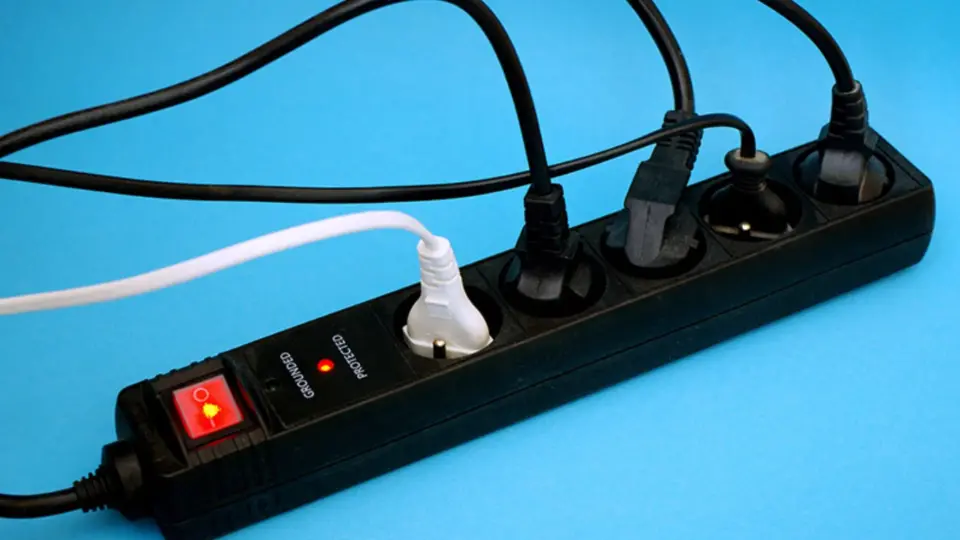
Unlike individual power strips, whole-home surge protection is installed directly at your electrical panel.
This device monitors incoming electricity from the utility line. When it detects a voltage spike above safe levels, it diverts excess electricity safely into the ground before it can travel through your home’s wiring.
Think of it as a gatekeeper for your electrical system. Instead of trying to protect devices one outlet at a time, it shields the entire home at the source.
That means protection for:
- Major appliances
- HVAC systems
- Smart thermostats
- Entertainment systems
- Home office equipment
- Security cameras
- EV chargers
- LED lighting systems
How Does Whole Home Surge Protection Protect Modern Appliances and Smart Devices?
Modern electronics rely on delicate circuit boards and microchips. Even small voltage spikes can gradually degrade these components. The damage may not cause immediate failure, but it shortens the lifespan of the equipment.
Whole-home surge protection works by limiting the amount of voltage that reaches these devices. When excess voltage enters the system, the surge protector absorbs or redirects it before it reaches your appliances.
This is especially critical for smart devices that are always connected. Unlike older electronics, many modern systems never truly power down. That constant connection makes them more vulnerable to voltage irregularities.
By stabilizing electrical flow, whole-home surge protection reduces the risk of sudden failure and long-term wear.
Is Whole Home Surge Protection Worth the Investment for Homeowners in 2026?
For most households, the answer is yes.
Consider the average value of electronics in a modern home. Between kitchen appliances, home entertainment systems, laptops, smart home hubs, and HVAC components, the total easily reaches tens of thousands of dollars.
The cost of installing whole-home surge protection is typically a fraction of replacing even one or two major systems.
Beyond financial protection, there is peace of mind. Severe storms, grid disruptions, and unexpected surges are impossible to predict. Knowing your home has a layer of defense in place reduces anxiety during power fluctuations.
It also supports long-term appliance performance, potentially extending the life of your equipment.
The Role of Electric Vehicles and Renewable Energy
In 2026, electric vehicle charging stations are becoming common in residential garages. These systems draw significant power and add complexity to the home’s electrical demand.
Similarly, solar panels and battery backup systems introduce two-way power flow. While these technologies provide sustainability benefits, they can also increase the need for electrical system safeguards.
Whole-home surge protection helps manage these modern energy dynamics by stabilizing incoming and outgoing power flows.
As homes become mini power hubs rather than simple energy consumers, protective systems are no longer optional upgrades. They are becoming foundational infrastructure.
A Shift From Reactive to Preventative Thinking
Homeowners in 2026 are thinking differently. Instead of waiting for something to fail, many are investing in preventative upgrades.
Just like smoke detectors and carbon monoxide alarms became standard safety features, surge protection is following a similar path.
It is not about fear. It is about recognizing how much our homes rely on stable electricity.
Protect What Powers Your Life
If your home runs on smart tech, advanced appliances, or an EV charger, your electrical system is handling more than it did just a few years ago. With more sensitive electronics in play, proper surge protection matters more than ever.
Most damaging surges don’t come from lightning. They often come from internal cycling or grid fluctuations. A professional assessment can confirm whether your panel and grounding are ready for today’s demands.
Schedule a surge protection consultation with The Go-To Crew Electric and protect what powers your home in 2026 and beyond.