Winter is a demanding season for home electrical systems. Between heating needs, increased appliance use, and holiday activities, power consumption rises sharply once temperatures drop.
Many homeowners are surprised when their breaker panels start to struggle or fail during the coldest months, even if everything seems fine during the rest of the year.
What feels like a sudden problem is often the result of long-term strain finally reaching its breaking point. Understanding why winter creates this pressure helps homeowners make smarter decisions about repairs and upgrades.
Why Do Colder Months Lead to Unexpected Increases in Household Power Demand?
As temperatures fall, households naturally rely more on systems and appliances that draw significant energy. Even homes with efficient setups experience an increase in electrical usage because winter changes daily routines and priorities. Heating systems cycle more frequently, lights stay on longer, and indoor activities become more common. All of these shifts combine to create a steady, heavy load on the electrical panel.
Winter also brings holiday gatherings and more family members spending time at home. This leads to more cooking, additional electronics running at the same time, and extra appliances operating daily.
Many homeowners plug in space heaters during cold snaps, often without realizing these units can consume as much power as major appliances. When several devices run together on the same circuit, the demand can exceed what the system was designed to handle.
Outdoor lighting becomes another source of increased consumption. Holiday decorations, landscape lights, and seasonal displays often run for hours each night. If the home already has older wiring or a limited panel capacity, the added load intensifies the stress that the electrical system must manage.
Common contributors to increased winter power demand include:
- Heating systems working longer hours
- Space heaters pulling heavy wattage
- Holiday lights and outdoor decorations
- More kitchen appliance use
- Extra electronics from family gatherings
- Longer lighting use due to shorter days
When these factors stack up, electrical systems face more strain than most homeowners expect.
What Causes Older Electrical Panels to Fail During Winter Energy Spikes?
When winter hits, heaters, space heaters, holiday lights, and major appliances all push your home’s electrical system harder than usual. Older electrical panels are especially vulnerable during these peak demands. Here’s why they tend to fail when temperatures drop:
- Outdated Capacity – Many older panels were built for lower household energy use. When multiple high-demand appliances run at once, the panel struggles to keep up.
- Worn or Loose Connections – Over time, wiring connections loosen or corrode. Heavy winter loads generate extra heat, which can cause these weakened points to arc or fail.
- Aging Breakers – Breakers inside older panels can become stiff, slow, or unreliable. Instead of tripping properly under strain, they may overheat or break down entirely.
- Increased Moisture Exposure – Winter humidity and condensation can seep into old panels, especially if they’re in basements or garages. Moisture increases the risk of corrosion and short circuits.
- Insufficient Safety Features – Modern panels include updated safety technology that older ones lack. Without these protections, older systems face a higher risk of overload during winter energy spikes.
Upgrading your electrical panel helps prevent outages, improves safety, and ensures your system can handle seasonal energy demands.
How Seasonal Heating Equipment Overloads a Home’s Breaker Panel
Heating equipment is one of the largest energy consumers in a home, and during winter it operates almost nonstop. This creates a huge demand on the breaker panel. Systems like heat pumps, electric furnaces, and baseboard heaters use substantial amounts of electricity, especially when temperatures drop below typical levels.
Many homeowners use portable heaters to warm rooms faster or supplement central heating. These devices draw a surprising amount of energy, often between 1,500 and 2,000 watts per unit. Using multiple heaters at once can overload circuits instantly. When this happens repeatedly, the breaker panel experiences thermal stress and begins to show signs of failure.
Water heaters also work harder in winter because incoming water is colder. This means the unit must use more energy to maintain the desired temperature. When combined with central heating equipment and daily appliance use, the electrical system is pushed close to its maximum capacity.
Heat strips, a backup component in many HVAC systems, create another hidden overload risk. When the outdoor temperature drops too low, the heat strips activate automatically. Homeowners may not even realize they are running, yet they draw a significant amount of power and can overload older panels quickly.
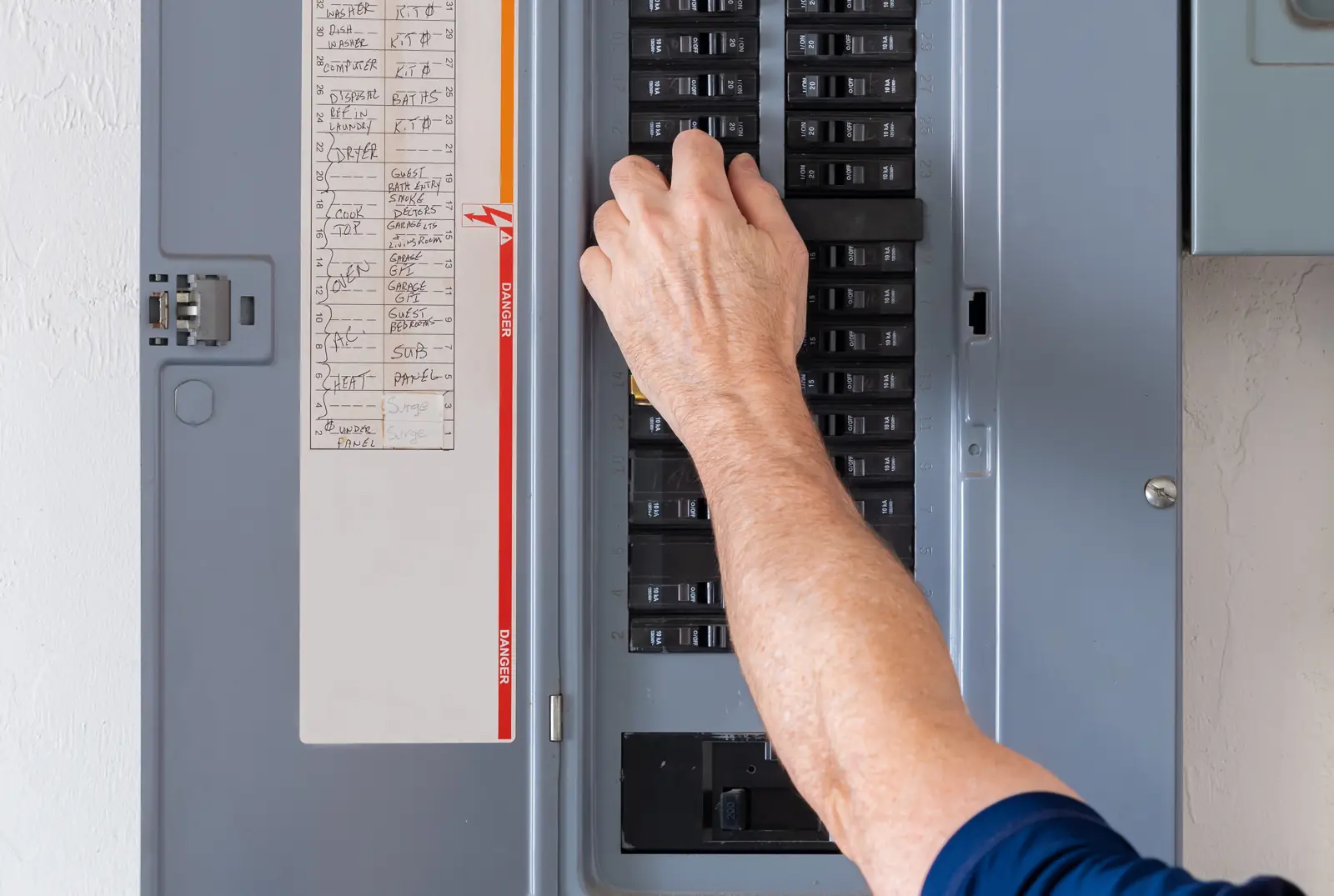
The panel’s job is to distribute and regulate all this energy. If demand continues to spike beyond its rated capacity, the breakers trip or fail, signaling that the system can no longer keep up.
Signs That Indicate a Home’s Electrical System Cannot Handle Winter Load Increases
Winter electrical issues often start with subtle warning signs. These symptoms usually appear when the system is under stress, making December through February the most revealing months for hidden electrical weaknesses. Recognizing the early signs can prevent full panel failure, unexpected outages, or safety hazards.
One of the most common signs is frequent breaker trips. A breaker that trips occasionally is doing its job, but repeated trips suggest the panel cannot manage the winter load. Homeowners may also notice that lights dim when heaters turn on. This indicates voltage drops caused by overworked circuits.
Warm outlets, buzzing sounds, or a slight burning smell near the panel are more serious warnings. These signs often appear when internal components begin overheating. Delayed heating responses or HVAC systems turning off unexpectedly can also point to electrical strain.
Another sign is flickering or inconsistent performance from holiday lights or outdoor decorations. These issues occur when the panel struggles to supply steady power across multiple circuits. Appliances that shut off randomly, slow chargers, or electronics that behave unpredictably also hint at electrical overload.
Key signs the electrical system is struggling with winter demand:
- Breakers tripping repeatedly
- Lights dimming when appliances or heaters turn on
- Warm or discolored outlets
- Burning or metallic odors near the panel
- Appliances shutting off unexpectedly
- Flickering outdoor or holiday lighting
- HVAC systems cycling irregularly
Winter often exposes these issues because the system is operating at maximum capacity, making it easier to spot weaknesses that remain hidden during other seasons.
Upgrade Your Electrical Panel With Confidence This Winter Through The Go-To Crew Electric
Winter is the season when your electrical system works its hardest, and it’s also the time when problems become impossible to ignore. If you’ve noticed breaker trips, dimming lights, overheating outlets, or signs that your panel is struggling to keep up, it may be time for a professional upgrade.
Protect your comfort, improve your electrical safety, and stay powered all season long. Schedule your breaker panel inspection or upgrade with The Go-To Crew Electric today.