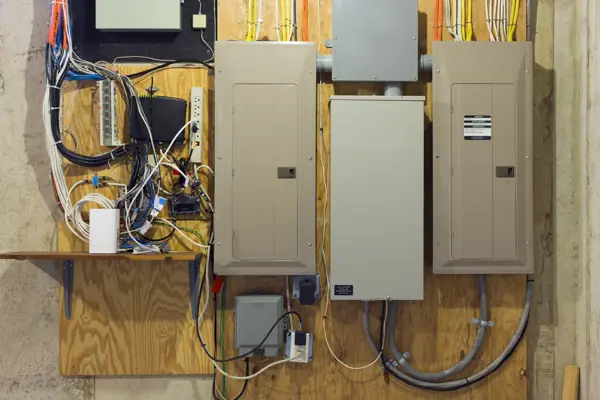
Electricians diagnose electrical issues by checking the symptoms, testing the affected circuit, inspecting wiring, and using professional tools to locate the source of the problem. A proper electrical diagnostics service helps identify whether the issue comes from the outlet, breaker, wiring, panel, fixture, or another part of the home’s electrical system.
Most electrical problems should not be guessed at. Flickering lights, tripping breakers, dead outlets, warm switches, burning smells, and buzzing sounds can all point to different causes.
A licensed electrician follows a step-by-step process to find the real issue before making repairs. This protects the home, prevents unnecessary work, and reduces the risk of repeat problems.
How Do Electricians Find Electrical Problems?
Electricians find electrical problems by starting with the symptom and tracing it back to the source. They do not simply replace parts and hope the issue goes away.
The process usually starts with questions.
An electrician may ask:
- When did the issue start?
- Does it happen all the time or only sometimes?
- Which outlets, lights, or appliances are affected?
- Has any recent electrical work been done?
- Does the breaker trip immediately or after a delay?
- Are there burning smells, sparks, or heat?
These answers help narrow the problem.
For example, one dead outlet may point to a failed receptacle, loose connection, or tripped GFCI. Several dead outlets may point to a circuit issue. Lights that dim when an appliance starts may suggest an overloaded circuit or voltage drop.
This is the foundation of how electricians troubleshoot home electrical concerns. They move from visible symptoms to controlled testing.
Common Problems Electricians Look For
Electricians commonly diagnose:
- Tripped or weak breakers
- Loose wire connections
- Faulty outlets
- Damaged switches
- Overloaded circuits
- GFCI or AFCI issues
- Aging electrical panels
- Poor grounding
- Hidden wire damage
- Incorrect previous repairs
A professional diagnosis matters because many electrical symptoms look similar. A dead outlet may seem simple, but the real issue could be upstream in the circuit.
What Tools Do Electricians Use for Troubleshooting?
Electricians use testing tools to safely measure voltage, continuity, current, grounding, and circuit behavior. These tools help confirm what is happening inside the system.
Common tools include:
- Multimeters
- Voltage testers
- Clamp meters
- Circuit tracers
- Outlet testers
- GFCI testers
- Continuity testers
- Thermal imaging cameras
- Inspection cameras
- Non-contact voltage detectors
Each tool has a specific purpose.
A multimeter can measure voltage and resistance. A clamp meter can measure current without disconnecting wires. A circuit tracer can help locate which breaker controls a specific outlet or fixture.
An outlet tester can quickly identify wiring issues, such as an open ground or reversed polarity. A thermal camera can help detect heat patterns that may indicate overloaded connections or failing components.
These tools make an electrical diagnostics service more accurate. They allow electricians to test instead of guess.
Why Professional Tools Matter
Basic plug-in testers can help homeowners notice simple issues, but they do not provide a full diagnosis. They may not detect loose connections, damaged wiring behind walls, panel problems, or intermittent faults.
Electricians are trained to interpret readings safely. The tool is only part of the process. The bigger value is knowing what the reading means and what should happen next.
How Long Does Electrical Diagnosis Take?
Electrical diagnosis can take anywhere from 30 minutes to several hours, depending on the issue. A simple outlet or breaker problem may be found quickly. A hidden or intermittent issue can take longer.
The time depends on:
- How many areas are affected
- Whether the issue is constant or intermittent
- The age of the electrical system
- Access to the panel, attic, basement, or crawl space
- Whether previous wiring work was done correctly
- How much testing is needed
A single dead outlet is usually faster to diagnose than a breaker that trips randomly once a week.
Intermittent issues are often more complex. If the problem only happens when certain appliances run or when outdoor moisture is present, the electrician may need to test several conditions.
Why Rushing Diagnosis Is Risky
Fast repairs are helpful, but rushed electrical troubleshooting can miss the real cause.
Replacing a breaker may not solve the issue if the actual problem is a damaged wire. Replacing an outlet may not help if the problem is a loose connection upstream.
Good diagnosis prevents repeat service calls and reduces safety risks.
Can Electricians Detect Hidden Wiring Issues?
Yes, electricians can often detect hidden wiring issues without opening large sections of walls. They use testing methods and specialized tools to narrow down the location of the problem.
Hidden wiring issues may include:
- Damaged wires
- Loose connections inside boxes
- Overheated conductors
- Rodent damage
- Improper splices
- Old aluminum wiring concerns
- Moisture-related damage
- Wiring hidden behind finished walls
A circuit tracer may help follow wiring paths. A thermal camera may show abnormal heat. A meter can show voltage drops or continuity problems.
In some cases, an electrician may need access to an outlet box, switch box, junction box, attic, crawl space, or panel. If a wall opening is needed, the electrician will usually try to keep it limited and targeted.
Signs of Hidden Wiring Problems
You may need diagnosis if you notice:
- Lights flickering in one area
- Breakers tripping repeatedly
- Outlets working sometimes but not always
- Switches feeling warm
- Buzzing from outlets or fixtures
- Burning odors
- Discolored outlet covers
- Power loss in part of the home
These signs should not be ignored. Hidden wiring problems can worsen over time.
This is where how electricians troubleshoot becomes important. They check the visible parts first, then test deeper into the circuit when needed.
Do Electricians Check the Entire System or Just One Issue?
Electricians usually start with the reported issue, then expand the inspection if the symptoms suggest a larger problem. The scope depends on what they find.
For example, if one outlet is damaged, the electrician may focus on that outlet and nearby wiring. If several circuits are affected, they may inspect the panel, grounding, breakers, and related wiring.
A good electrician does not ignore warning signs outside the original complaint.
When a Wider Inspection May Be Needed
A larger inspection may be recommended when:
- Breakers trip often
- Lights flicker across multiple rooms
- The panel is outdated
- There are signs of overheating
- The home has old wiring
- Previous DIY electrical work is visible
- Outlets are ungrounded
- Electrical issues appear in several areas
This is especially important during an electrical inspection in Chesterfield, VA, where homes may vary in age, layout, and electrical system condition.
Some homes only need a targeted repair. Others need a broader review to make sure the issue is not part of a larger safety concern.
What Happens During an Electrical Inspection?
During an electrical inspection, the electrician checks visible electrical components, tests affected areas, reviews the panel, and looks for safety concerns. The goal is to understand the condition of the system and identify needed repairs.
A typical inspection may include:
- Checking the electrical panel
- Looking for overloaded circuits
- Testing outlets and switches
- Verifying GFCI protection
- Checking grounding
- Inspecting visible wiring
- Looking for heat damage
- Reviewing breaker behavior
- Testing fixtures or appliances tied to the issue
- Identifying outdated or unsafe components
The inspection may be limited or comprehensive, depending on the reason for the visit.
A troubleshooting appointment focuses on a specific problem. A full safety inspection looks at the larger system.
What Homeowners Should Share
You should tell the electrician about any recent changes in the home.
Mention new appliances, remodeling work, storm damage, water leaks, or previous electrical repairs. These details can help locate the cause faster.
For an electrical inspection in Chesterfield, VA, it is also helpful to share the age of the home if you know it. Older homes may have older wiring methods, older panels, or circuits that were not designed for modern electrical demand.
Is Electrical Troubleshooting Expensive?
Electrical troubleshooting costs depend on the time, complexity, and type of issue. Simple problems usually cost less. Hidden wiring issues, panel concerns, and intermittent faults may require more diagnostic time.
The cost may be affected by:
- Number of affected circuits
- Accessibility of wiring
- Condition of the panel
- Type of repair needed
- Whether parts must be replaced
- Whether the issue is urgent
- Whether the problem is hidden or intermittent
A proper electrical diagnostics service can save money by identifying the right repair the first time. Guessing can lead to replacing parts that were never the cause.
Why Diagnosis Has Value
Electrical troubleshooting is not just about finding what stopped working. It is about finding why it stopped working.
That difference matters.
A tripped breaker may be doing its job by protecting the home. Resetting it repeatedly without diagnosis can create a hazard. A warm outlet may seem minor, but it can point to a loose connection that needs immediate attention.
Professional diagnosis helps protect the home and gives homeowners clear next steps.
What Homeowners Should Do Next
The key takeaway is simple: electrical issues should be diagnosed before they are repaired. Electricians use questions, visual checks, testing tools, and system knowledge to find the source of the problem safely.
Most minor issues can be checked quickly, but warning signs should be taken seriously.
Call an electrician if you notice:
- Breakers that keep tripping
- Flickering lights
- Dead outlets
- Warm switches
- Buzzing sounds
- Burning smells
- Sparks
- Power loss in part of the home
- Repeated GFCI trips
You can safely check basic things first, such as whether a breaker has tripped or a GFCI outlet needs resetting. Do not remove outlets, open the panel, or touch wiring if you are not trained.
Final Thoughts
Electrical issues are not always as simple as they look. A flickering light, dead outlet, or tripping breaker can have several possible causes, and the only safe way to fix the problem is to diagnose it correctly first. That is why professional troubleshooting matters so much.
A careful process, the right tools, and a trained eye can uncover both obvious and hidden issues before they become bigger risks. A dependable electrical diagnostics service helps homeowners make smarter, safer repair decisions.
Get Reliable Help from The Go-To Crew Electric
When electrical problems start disrupting your home, having the right team matters. At The Go-To Crew Electric, we help homeowners understand what is happening before recommending repairs.
If you need electrical inspection in Chesterfield, VA or a professional electrical diagnostics service, you can contact our team to inspect the issue, explain the cause, and provide safe repair options.