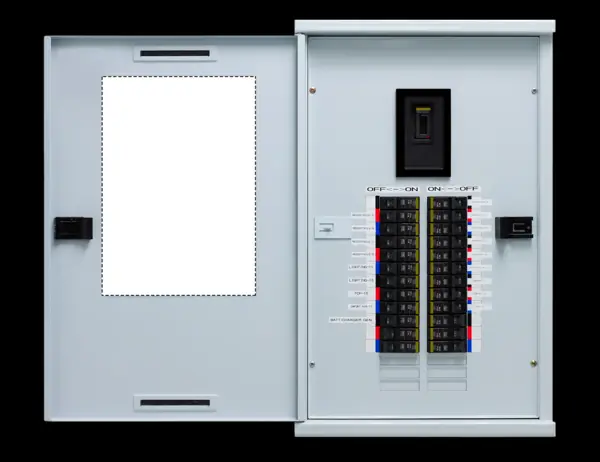
A breaker trips again, one room goes dark, and you are suddenly wondering whether the repair will be simple or expensive.
In 2026, most electrical repairs cost about $150 to $500, while larger wiring or panel work can cost thousands. The safest choice is to price the issue after inspection, because electrical problems can look minor while involving overloaded circuits, damaged wiring, grounding issues, or code concerns.
Clear pricing starts with knowing the repair type, labor rate, permits, urgency, and whether the problem is a simple device failure or a deeper wiring concern.
What Is the Average Cost of Electrical Repairs in 2026?
The average electrical repair cost in 2026 is usually about $150 to $500 for common residential problems. Simple fixes may be lower, while troubleshooting, wiring damage, panel issues, or multiple repairs can raise the total.
Many homeowners pay for a service call, diagnostic time, labor, parts, and sometimes permits.
Common Price Ranges
Outlet or switch repairs may cost $125 to $300. Light fixture repairs may cost $150 to $450. Breaker replacement may cost $150 to $350. Panel repairs can cost more, especially if parts are outdated or unsafe.
These are planning ranges, not guarantees. A licensed electrician needs to inspect the system before giving reliable electrical repair pricing. Photos, symptoms, and breaker labels can help the estimate, but they cannot replace testing.
How Much Does It Cost to Replace an Electrical Outlet?
Replacing a standard outlet often costs about $125 to $300, depending on access, wiring condition, outlet type, and service minimums. GFCI outlets, outdoor outlets, smart outlets, and dedicated circuits can cost more.
If the outlet is warm, sparking, loose, buzzing, or discolored, stop using it and call a professional.
DIY Versus Professional Work
Homeowners can safely reset a GFCI, check whether a breaker tripped, and unplug overloaded devices.
Replacing outlets is not a good DIY task unless you are trained and local rules allow it. Wiring mistakes can create shock hazards, fire risks, or hidden code violations.
A professional should test grounding, polarity, box condition, load, and connections before closing the wall. For damaged, outdated, or unsafe outlets, professional electrical outlet services can help confirm the repair is safe before the outlet is used again.
How Much Do Electricians Charge Per Hour?
In 2026, many electricians charge about $50 to $130 per hour, with higher rates for master electricians, complex troubleshooting, emergency calls, or commercial-grade work. Some companies use flat-rate pricing instead of hourly billing.
Flat-rate pricing can be easier for homeowners because the repair price is explained before work begins.
Why Rates Differ
Rates reflect licensing, insurance, training, trucks, tools, fuel, office support, permits, and warranty coverage.
A cheaper hourly rate is not always the lowest final cost. An experienced electrician may diagnose the issue faster and complete the repair correctly.
Ask whether the estimate includes the service call, diagnosis, labor, parts, permit fees, cleanup, and warranty. Good documentation also helps later.
Is Electrical Repair Covered by Homeowners Insurance?
Homeowners insurance may cover electrical damage caused by a covered event, such as lightning, fire, wind damage, or a fallen tree damaging service equipment. It usually does not cover repairs caused by age, wear, poor maintenance, outdated wiring, or code upgrades.
Insurance is designed for sudden covered losses, not routine home maintenance.
What to Do Before Filing
Document the damage, take photos, keep receipts, and call your insurance company before authorizing major non-emergency repairs.
If there is smoke, burning smell, visible arcing, or power loss tied to damage, prioritize safety first.
A licensed electrician can identify what failed, but your insurer decides coverage based on your policy.
How Much Does It Cost to Rewire a House?
Whole-house rewiring can cost anywhere from several thousand dollars to $20,000 or more in 2026 for many homes. Many projects fall roughly between $8,000 and $20,000, depending on home size, wall access, wiring age, panel condition, permits, and repair work after walls are opened.
Partial rewiring costs less but still requires planning, especially when older and newer wiring must connect safely inside walls.
Why Rewiring Gets Expensive
Rewiring is labor-heavy. Electricians may need to access walls, attics, crawl spaces, panels, circuits, outlets, switches, and fixtures.
Older homes may have knob-and-tube wiring, aluminum wiring, overloaded panels, missing grounds, or limited capacity.
Rewiring usually needs permits and inspections. Avoid anyone who suggests skipping required permits. When wiring is outdated or unsafe throughout the home, whole-home rewiring may be the safest long-term solution.
What Factors Affect Electrical Repair Costs?
Electrical repair costs depend on the problem, access, labor time, parts, permits, code requirements, and whether the issue is isolated or part of a larger system problem.
Troubleshooting unknown problems usually costs more than replacing a clearly failed part.
Cost Drivers to Understand
Hard-to-reach wiring, old panels, water damage, damaged drywall, multiple circuits, and unsafe previous work can increase cost.
Location also matters. Local labor rates, permit fees, and material prices affect the final estimate.
For electrical repair in Chesterfield, VA, homeowners should expect pricing to reflect local licensing rules, travel time, code requirements, and the complexity of the home’s electrical system.
Are Emergency Electrical Services More Expensive?
Yes, emergency electrical services usually cost more than standard scheduled work. After-hours calls, weekends, holidays, urgent dispatch, and safety risks can raise the price.
That higher cost can be worth it when the issue could create a fire, shock, or power safety concern.
When to Call Immediately
Call for emergency help if you smell burning, see sparks, lose partial power, notice a hot panel, hear buzzing, have repeated breaker trips, or see water near electrical equipment.
Do not open the panel, touch damaged wiring, or keep resetting breakers.
For non-urgent issues, scheduling during normal hours can reduce cost. A professional can still advise whether the problem should wait or needs immediate attention before costs grow. When safety cannot wait, an emergency electrician can inspect urgent hazards and recommend the next step.
Key Insights
Electrical repair costs in 2026 vary because every issue involves different labor, materials, access, permits, and safety concerns. Simple outlet or breaker repairs may cost a few hundred dollars, while rewiring or panel work can cost thousands.
Homeowners can reset breakers, unplug devices, check GFCI outlets, and document symptoms. Licensed electricians should handle wiring, panels, grounding, troubleshooting, permits, and emergency hazards. Insurance may help after covered sudden damage, but not routine wear or outdated systems.
Clear estimates protect your home and budget, especially when repairs involve hidden wiring, older panels, or permit requirements.
Get Electrical Repairs Priced Clearly
Do not guess when electrical problems affect safety, comfort, or daily routines. At The Go-To Crew Electric, we help homeowners understand the likely cause, repair options, and pricing before work begins. We can inspect outlets, breakers, wiring, panels, lighting, and urgent electrical concerns with practical recommendations.
If a repair is simple, we will explain it. If the issue needs deeper troubleshooting or code-compliant upgrades, we will walk you through the next step. Contact us today to schedule electrical repair and get clear guidance for your home.A breaker trips again, one room goes dark, and you are suddenly wondering whether the repair will be simple or expensive.
In 2026, most electrical repairs cost about $150 to $500, while larger wiring or panel work can cost thousands. The safest choice is to price the issue after inspection, because electrical problems can look minor while involving overloaded circuits, damaged wiring, grounding issues, or code concerns.
Clear pricing starts with knowing the repair type, labor rate, permits, urgency, and whether the problem is a simple device failure or a deeper wiring concern.
What Is the Average Cost of Electrical Repairs in 2026?
The average electrical repair cost in 2026 is usually about $150 to $500 for common residential problems. Simple fixes may be lower, while troubleshooting, wiring damage, panel issues, or multiple repairs can raise the total.
Many homeowners pay for a service call, diagnostic time, labor, parts, and sometimes permits.
Common Price Ranges
Outlet or switch repairs may cost $125 to $300. Light fixture repairs may cost $150 to $450. Breaker replacement may cost $150 to $350. Panel repairs can cost more, especially if parts are outdated or unsafe.
These are planning ranges, not guarantees. A licensed electrician needs to inspect the system before giving reliable electrical repair pricing. Photos, symptoms, and breaker labels can help the estimate, but they cannot replace testing.
How Much Does It Cost to Replace an Electrical Outlet?
Replacing a standard outlet often costs about $125 to $300, depending on access, wiring condition, outlet type, and service minimums. GFCI outlets, outdoor outlets, smart outlets, and dedicated circuits can cost more.
If the outlet is warm, sparking, loose, buzzing, or discolored, stop using it and call a professional.
DIY Versus Professional Work
Homeowners can safely reset a GFCI, check whether a breaker tripped, and unplug overloaded devices.
Replacing outlets is not a good DIY task unless you are trained and local rules allow it. Wiring mistakes can create shock hazards, fire risks, or hidden code violations.
A professional should test grounding, polarity, box condition, load, and connections before closing the wall. For damaged, outdated, or unsafe outlets, professional electrical outlet services can help confirm the repair is safe before the outlet is used again.
How Much Do Electricians Charge Per Hour?
In 2026, many electricians charge about $50 to $130 per hour, with higher rates for master electricians, complex troubleshooting, emergency calls, or commercial-grade work. Some companies use flat-rate pricing instead of hourly billing.
Flat-rate pricing can be easier for homeowners because the repair price is explained before work begins.
Why Rates Differ
Rates reflect licensing, insurance, training, trucks, tools, fuel, office support, permits, and warranty coverage.
A cheaper hourly rate is not always the lowest final cost. An experienced electrician may diagnose the issue faster and complete the repair correctly.
Ask whether the estimate includes the service call, diagnosis, labor, parts, permit fees, cleanup, and warranty. Good documentation also helps later.
Is Electrical Repair Covered by Homeowners Insurance?
Homeowners insurance may cover electrical damage caused by a covered event, such as lightning, fire, wind damage, or a fallen tree damaging service equipment. It usually does not cover repairs caused by age, wear, poor maintenance, outdated wiring, or code upgrades.
Insurance is designed for sudden covered losses, not routine home maintenance.
What to Do Before Filing
Document the damage, take photos, keep receipts, and call your insurance company before authorizing major non-emergency repairs.
If there is smoke, burning smell, visible arcing, or power loss tied to damage, prioritize safety first.
A licensed electrician can identify what failed, but your insurer decides coverage based on your policy.
How Much Does It Cost to Rewire a House?
Whole-house rewiring can cost anywhere from several thousand dollars to $20,000 or more in 2026 for many homes. Many projects fall roughly between $8,000 and $20,000, depending on home size, wall access, wiring age, panel condition, permits, and repair work after walls are opened.
Partial rewiring costs less but still requires planning, especially when older and newer wiring must connect safely inside walls.
Why Rewiring Gets Expensive
Rewiring is labor-heavy. Electricians may need to access walls, attics, crawl spaces, panels, circuits, outlets, switches, and fixtures.
Older homes may have knob-and-tube wiring, aluminum wiring, overloaded panels, missing grounds, or limited capacity.
Rewiring usually needs permits and inspections. Avoid anyone who suggests skipping required permits. When wiring is outdated or unsafe throughout the home, whole-home rewiring may be the safest long-term solution.
What Factors Affect Electrical Repair Costs?
Electrical repair costs depend on the problem, access, labor time, parts, permits, code requirements, and whether the issue is isolated or part of a larger system problem.
Troubleshooting unknown problems usually costs more than replacing a clearly failed part.
Cost Drivers to Understand
Hard-to-reach wiring, old panels, water damage, damaged drywall, multiple circuits, and unsafe previous work can increase cost.
Location also matters. Local labor rates, permit fees, and material prices affect the final estimate.
For electrical repair in Chesterfield, VA, homeowners should expect pricing to reflect local licensing rules, travel time, code requirements, and the complexity of the home’s electrical system.
Are Emergency Electrical Services More Expensive?
Yes, emergency electrical services usually cost more than standard scheduled work. After-hours calls, weekends, holidays, urgent dispatch, and safety risks can raise the price.
That higher cost can be worth it when the issue could create a fire, shock, or power safety concern.
When to Call Immediately
Call for emergency help if you smell burning, see sparks, lose partial power, notice a hot panel, hear buzzing, have repeated breaker trips, or see water near electrical equipment.
Do not open the panel, touch damaged wiring, or keep resetting breakers.
For non-urgent issues, scheduling during normal hours can reduce cost. A professional can still advise whether the problem should wait or needs immediate attention before costs grow. When safety cannot wait, an emergency electrician can inspect urgent hazards and recommend the next step.
Key Insights
Electrical repair costs in 2026 vary because every issue involves different labor, materials, access, permits, and safety concerns. Simple outlet or breaker repairs may cost a few hundred dollars, while rewiring or panel work can cost thousands.
Homeowners can reset breakers, unplug devices, check GFCI outlets, and document symptoms. Licensed electricians should handle wiring, panels, grounding, troubleshooting, permits, and emergency hazards. Insurance may help after covered sudden damage, but not routine wear or outdated systems.
Clear estimates protect your home and budget, especially when repairs involve hidden wiring, older panels, or permit requirements.
Get Electrical Repairs Priced Clearly
Do not guess when electrical problems affect safety, comfort, or daily routines. At The Go-To Crew Electric, we help homeowners understand the likely cause, repair options, and pricing before work begins. We can inspect outlets, breakers, wiring, panels, lighting, and urgent electrical concerns with practical recommendations.
If a repair is simple, we will explain it. If the issue needs deeper troubleshooting or code-compliant upgrades, we will walk you through the next step. Contact us today to schedule electrical repair and get clear guidance for your home.