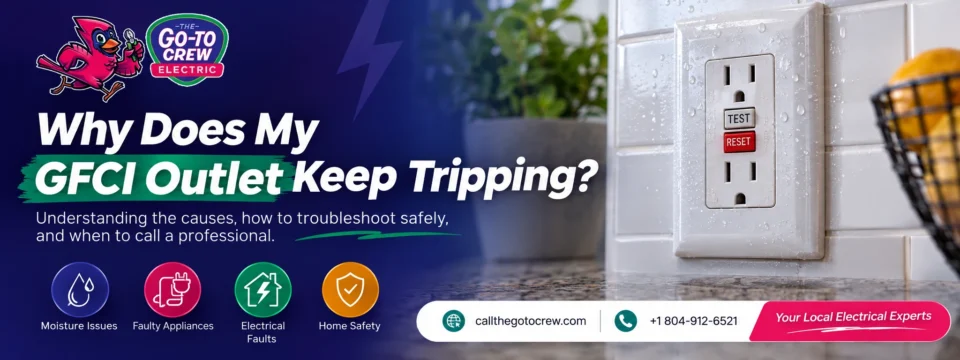
An electrical code violation happens when part of a home’s electrical system does not meet current safety standards or local requirements. Professionals fix these issues by inspecting the system, identifying the unsafe or non-compliant work, making the proper repair, and confirming the home meets electrical code compliance standards.
Code violations are common in older homes, remodeled spaces, and properties with previous DIY electrical work. Some violations are minor, but others can create fire, shock, or insurance concerns if they are ignored.
A licensed electrician can correct the issue faster because they know what to look for, what the code requires, and how to repair the problem safely.
What Are Common Electrical Code Violations in Homes?
Common electrical code violations include unsafe wiring, missing GFCI protection, overloaded circuits, improper junction boxes, and outdated panels. These problems are often found during inspections, remodeling projects, or when homeowners notice repeated electrical issues.
Many violations are not obvious from the outside. An outlet may work, but the wiring behind it may still be unsafe.
Common Violations Electricians Find
The most common issues include:
- Missing GFCI outlets in kitchens, bathrooms, garages, basements, and outdoor areas
- Ungrounded outlets
- Open junction boxes
- Wires connected outside approved electrical boxes
- Overloaded circuits
- Double-tapped breakers
- Incorrect breaker sizes
- Damaged electrical panels
- Extension cords used as permanent wiring
- Exposed wiring
- Loose outlets or switches
- Missing outlet covers
- Improperly installed light fixtures
- Outdated wiring in older homes
A single electrical code violation can sometimes point to a larger issue. For example, one open junction box may suggest that other hidden wiring changes were made incorrectly.
Why Older Homes Often Have Violations
Older homes may have electrical systems that were acceptable when installed but no longer match current standards. That does not always mean the whole system must be replaced.
It does mean the home should be checked by a professional.
A home may also fall out of compliance after renovations. If a basement, kitchen, or bathroom was updated without proper electrical work, violations may be present behind walls, cabinets, or fixtures.
How Do I Know If My Home Violates Electrical Codes?
You may know your home has code violations if an inspector, electrician, buyer, or insurance company identifies a problem. You may also notice warning signs such as flickering lights, tripping breakers, warm outlets, or exposed wiring.
The safest way to know is to schedule an electrical inspection.
Warning Signs Homeowners Should Not Ignore
Call an electrician if you notice:
- Breakers that trip often
- Outlets that do not work
- Outlets with no grounding
- Burning smells near outlets or switches
- Warm outlet covers
- Buzzing sounds
- Lights that flicker regularly
- Sparks when plugging in appliances
- Outdoor outlets without weatherproof covers
- Extension cords being used long-term
- Loose switches or receptacles
- Visible wire damage
These signs do not always confirm a code violation, but they do show that something needs attention.
When Violations Are Usually Discovered
Many homeowners find out about violations during:
- Home inspections
- Real estate transactions
- Insurance inspections
- Remodeling work
- Panel upgrades
- Storm damage repairs
- Rental property inspections
- Service calls for electrical issues
If you are dealing with electrical violations in Chesterfield, VA, a local electrician can check the issue against applicable requirements and explain what needs to be corrected.
Electrical codes can vary by location, so local experience matters.
Are Code Violations Dangerous?
Yes, many code violations can be dangerous. Some increase the risk of electrical fires, shock, overheating, damaged appliances, or system failure.
Not every violation creates an immediate emergency, but every violation should be taken seriously.
Why Electrical Violations Matter
Electrical codes exist to reduce risk. They help make sure wiring, panels, outlets, grounding, and protection devices are installed safely.
For example, GFCI outlets help protect people from shock in wet or damp areas. Proper breaker sizing helps protect wires from overheating. Junction boxes help contain connections and reduce fire risk.
When these protections are missing, the home may still have power, but it may not be safe.
Common Risks From Violations
Uncorrected violations can lead to:
- Electrical fires
- Shock hazards
- Melted wiring
- Damaged breakers
- Failed outlets
- Appliance damage
- Failed home inspections
- Insurance issues
- Delayed home sales
A small issue can become more serious if the circuit continues to be used.
If a breaker trips repeatedly, do not keep resetting it. The breaker may be warning you that the circuit is overloaded or unsafe.
How Do Electricians Fix Code Violations?
Electricians fix code violations by inspecting the problem, identifying what is not compliant, correcting the installation, and testing the repair. The exact repair depends on the type of violation.
A professional does not just hide the problem. They bring the work into electrical code compliance so the system is safer and easier to inspect.
The Repair Process
Most code correction work follows these steps:
- Inspect the affected area
- Identify the violation
- Check related wiring or components
- Explain the repair options
- Make the correction
- Test the circuit
- Confirm the work meets code requirements
For example, if an outlet near a sink lacks GFCI protection, the electrician may install a GFCI outlet or provide GFCI protection from the breaker or upstream receptacle.
If wires are spliced outside an approved box, the electrician may install the proper junction box, secure the connections, and add a cover.
If a breaker is double-tapped, the fix may involve moving the circuit to an approved breaker, installing a tandem breaker if allowed, or adding panel space.
Why Professional Correction Is Faster
Licensed electricians know how to diagnose the issue and avoid unnecessary work. They can also identify whether the violation is isolated or part of a larger problem.
This saves time because the repair is done in the right order.
For example, replacing one outlet will not solve the issue if the real problem is missing grounding throughout the room. A professional can tell the difference before work begins.
Do I Need Permits to Fix Electrical Issues?
Some electrical repairs require permits, while smaller repairs may not. Permit requirements depend on the type of work, the scope of the repair, and local rules.
A licensed electrician can tell you whether your repair needs a permit.
Repairs That May Require Permits
Permits are commonly needed for larger electrical work, such as:
- Panel replacements
- Service upgrades
- New circuits
- Major rewiring
- Electrical work during remodeling
- Generator connections
- EV charger installation
- Significant code correction work
Simple repairs, such as replacing a damaged outlet or switch, may not require a permit in many cases. Local rules can vary.
Why Permits Matter
Permits help confirm that electrical work is completed safely and inspected when required. They also create a record of the repair.
This can be important when selling a home, filing insurance claims, or completing remodeling work.
If you are correcting electrical violations in Chesterfield, VA, it is best to ask a local electrician before starting. They can guide you through the permit process when it applies.
Trying to avoid a required permit can create more problems later.
Can I Sell a Home With Electrical Code Violations?
Yes, you may be able to sell a home with electrical code violations, but the violations can affect the sale. Buyers may request repairs, ask for credits, renegotiate the price, or delay closing until issues are corrected.
Electrical concerns often stand out during a home inspection because they relate directly to safety.
What Buyers Usually Care About
Buyers are often concerned about:
- Unsafe panels
- Outdated wiring
- Missing GFCI protection
- Ungrounded outlets
- Exposed wiring
- Improper DIY work
- Overloaded circuits
- Fire hazards
Some buyers may accept minor issues. Others may require repairs before moving forward.
Lenders and insurance companies may also have concerns if the electrical system appears unsafe.
Why Fixing Violations Before Listing Can Help
Correcting known issues before listing can make the selling process smoother. It can reduce inspection objections and give buyers more confidence.
A professional repair also gives you documentation. That can help show the issue was handled properly.
If you already have an inspection report, an electrician can review the listed items and explain what needs immediate attention.
How Much Does It Cost to Correct Electrical Code Issues?
The cost to correct electrical code issues depends on the violation, repair complexity, parts needed, access to wiring, and whether permits are required. Simple outlet corrections may cost much less than panel work or rewiring.
The best way to get an accurate price is to have the issue inspected.
What Affects the Cost
Cost may depend on:
- Number of violations
- Age of the electrical system
- Accessibility of wiring
- Panel condition
- Whether walls or ceilings must be opened
- Permit requirements
- Inspection requirements
- Type of materials needed
- Whether the issue is isolated or widespread
A missing cover plate is simple. A damaged panel is not.
A single GFCI installation may be straightforward. Missing protection across several rooms may require more planning.
Why Diagnosis Should Come First
Electrical code correction should start with a proper inspection. Without diagnosis, it is easy to spend money on the wrong repair.
For example, replacing a breaker may not fix repeated tripping if the circuit is overloaded. Adding outlets may not solve a grounding problem if the wiring is outdated.
A professional inspection helps prioritize the work. Some repairs may be urgent. Others can be planned.
Final Thoughts
Electrical code violations are not just technical details. They can affect your safety, your home’s value, your insurance concerns, and your peace of mind. The sooner these issues are identified and corrected, the easier it usually is to prevent them from turning into larger problems. Whether the issue is a small compliance fix or a bigger system concern, addressing it early helps protect both your property and the people inside it.
A Safer Home Starts With Correct Electrical Work
The main takeaway is simple: electrical code violations should not be ignored. Even if the lights still work, unsafe wiring, missing protection, or improper installations can create serious risks.
Most homes do not need guesswork. They need a clear inspection, a practical repair plan, and proper electrical code compliance.
You can safely check for visible concerns, such as missing outlet covers, damaged cords, or outdoor outlets without weather protection. You should not open panels, handle exposed wiring, or attempt hidden electrical repairs without training.
At The Go-To Crew Electric, we help homeowners identify and correct electrical issues the right way. If you are concerned about an electrical code violation or need help with electrical repair for electrical violations in Chesterfield, VA, we can inspect the problem, explain what needs to be fixed, and complete the repair safely.