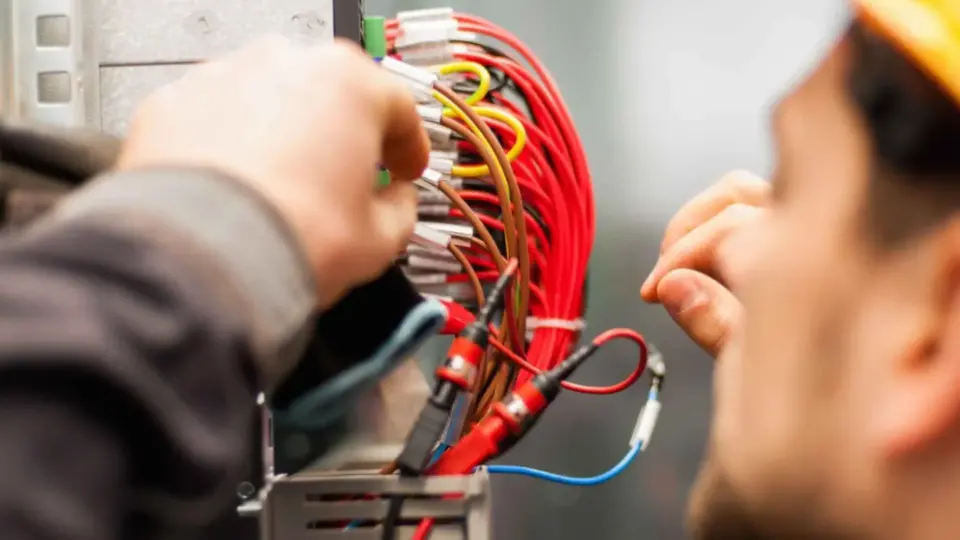
You walk into the bedroom and flip the light switch, but nothing happens. Then you notice the hallway outlets have stopped working, too. You check the electrical panel, and every breaker appears to be in the ON position.
How can part of your house lose power when the breaker hasn’t tripped?
If some rooms are losing power but the breaker stays on, the problem may involve a loose or failed electrical connection, a tripped GFCI outlet, damaged wiring, or a faulty breaker. A circuit can lose power downstream from a failed connection even when the breaker still appears normal. The position of the breaker alone doesn’t prove that electricity is reaching every outlet and switch.
At The Go-To Crew Electric, we help Chesterfield, VA, homeowners investigate unexpected electrical problems, including partial power loss and unreliable circuits.
Here’s what may be happening, what you can safely check, and when the situation needs professional electrical repair.
Quick Answer: Why Did Some Rooms Lose Power if the Breaker Did Not Trip?
When one or more rooms lose electricity, it’s easy to assume a circuit breaker must have switched off.
But the breakers don’t respond to every electrical problem.
A standard breaker is designed to interrupt the circuit when it detects certain overcurrent conditions, such as an overload or short circuit.
It doesn’t necessarily trip when a connection becomes loose or stops conducting electricity.
For example, imagine that an electrical connection supplying several outlets fails.
The outlets after that point may stop receiving power.
The breaker can remain on because the problem is an interrupted connection rather than an excessive-current condition.
Other possibilities include a tripped GFCI device, a breaker that isn’t operating properly, or a problem affecting the home’s electrical supply.
The important point is that a breaker remaining on doesn’t mean the affected circuit is safe or working correctly.
If multiple outlets or rooms suddenly lose power, arrange professional evaluation rather than assuming the problem will resolve on its own.
How One Circuit Can Partially Lose Power
To understand partial power loss, it helps to know that a branch circuit may serve several electrical devices.
Depending on the home’s wiring layout, one circuit might supply outlets in a bedroom, lights in a hallway, and a receptacle in an adjacent room.
These devices aren’t necessarily grouped according to the boundaries of each room.
Rooms and Circuits Don’t Always Match
Homeowners sometimes expect each room to have its own breaker.
In reality, the arrangement can be more complicated.
One room may receive electricity from multiple circuits.
A single circuit may also serve devices in more than one room.
This explains why some lights might continue working while nearby outlets stop.
The affected devices may be connected to different circuits or different portions of the same circuit.
What Happens When a Connection Fails?
Electrical current requires a complete path through an appropriately functioning circuit.
If a connection opens somewhere along that path, equipment beyond the affected point may lose power.
For instance, an electrical connection at one receptacle box could supply wiring continuing toward other receptacles.
If that connection fails, several downstream devices may stop working.
This doesn’t necessarily create the excessive current that would trip a standard circuit breaker.
Instead, the result may simply be a dead portion of the circuit.
Why This Can Be a Safety Concern
An open connection isn’t always harmless.
Some failing connections become intermittent before they stop working entirely.
Others may create excessive heat or electrical arcing under certain conditions.
A circuit that occasionally works and then loses power can be especially concerning.
Repeatedly using switches or plugging in appliances to make the power return isn’t a safe solution.
A qualified electrician should determine where the interruption occurred and whether damaged components need repair.
Can a Loose Outlet or Switch Connection Cause the Problem?
Yes.
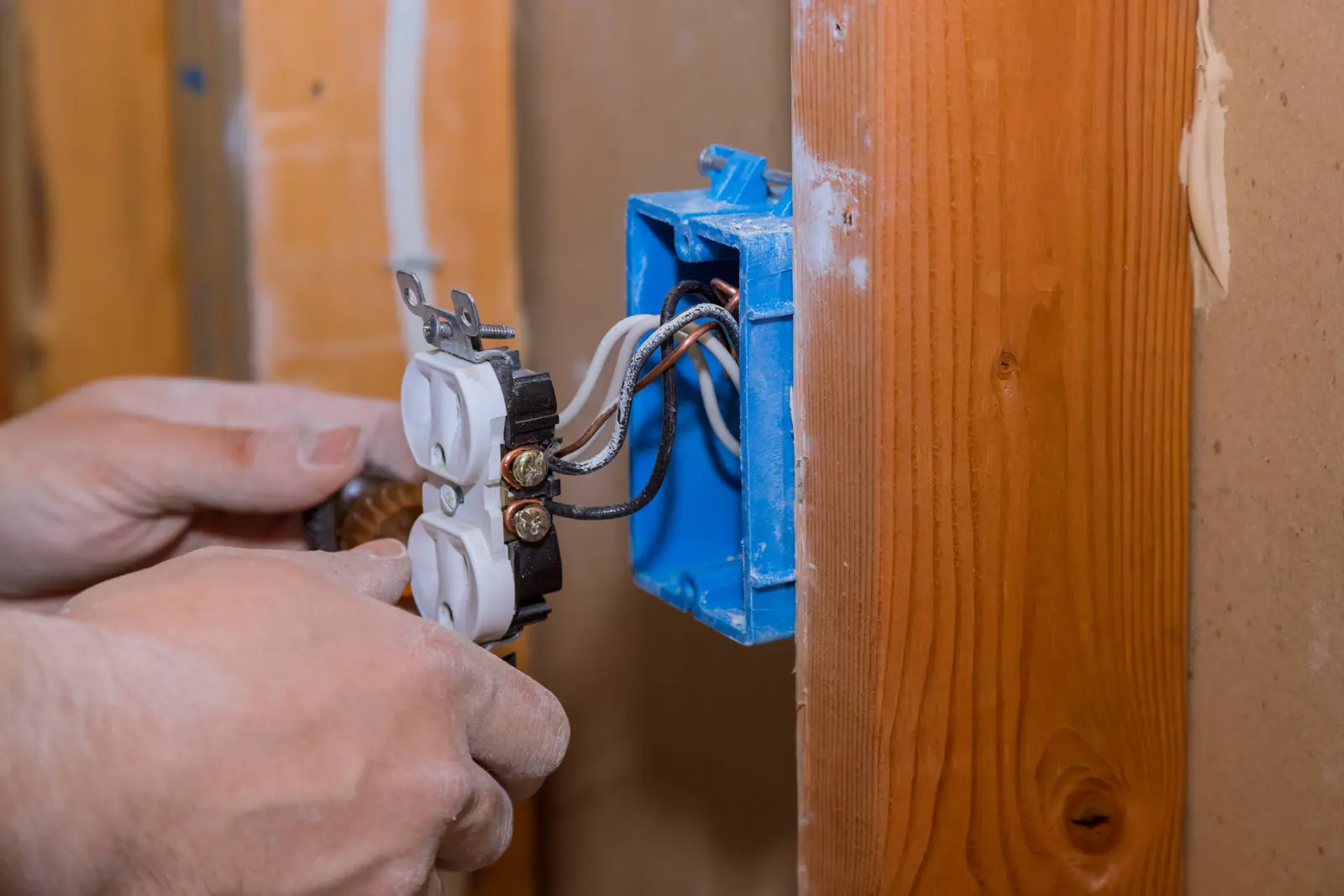
A loose or deteriorated connection at an outlet, switch, or electrical junction can interrupt power to part of a circuit.
This is one possible reason several devices suddenly stop working together.
How an Outlet Can Affect Other Outlets
Some electrical installations have connections in an outlet box that also carry power onward to other devices.
If one of those connections fails, downstream outlets may lose electricity.
The affected outlet itself might stop working, too.
But sometimes the failed connection is located at an outlet that still appears normal from the outside.
That makes finding the problem less straightforward than simply replacing the first dead receptacle.
Switch Boxes Can Also Contain Circuit Connections
Electrical connections aren’t limited to receptacles.
A switch box may contain wiring connections associated with lighting or other portions of a circuit.
A failed connection in one of these locations can affect devices elsewhere.
However, the pattern depends on the home’s wiring configuration.
A homeowner shouldn’t assume that the last switch used is responsible for an outage.
Warning Signs Around Outlets and Switches
Possible signs of a deteriorating electrical connection include:
- Intermittent power
- Flickering lights
- Buzzing or crackling sounds
- A burning or unusual odor
- Discoloration around an outlet or switch
- A faceplate that appears damaged or overheated
These symptoms deserve professional attention.
Not every failed connection produces an obvious warning.
An outlet may look perfectly normal while a problem exists behind the cover.
Don’t remove the outlet or switch to investigate.
Our electrical outlet services page explains how The Go-To Crew Electric evaluates and repairs faulty receptacles.
Could a Hidden GFCI Device Have Tripped?
Yes.
A ground-fault circuit interrupter, or GFCI, is a protective device designed to reduce the risk of dangerous electrical shock.
Some GFCI receptacles can also protect additional outlets connected downstream.
If the GFCI trips, those protected outlets may lose power even though the electrical panel’s standard breaker remains on.
Where Might a GFCI Be Located?
GFCI devices are commonly found in areas where electricity and moisture may be present.
Depending on the age and wiring of the home, you may find them in bathrooms, kitchens, garages, basements, laundry areas, or outdoor locations.
A GFCI protecting another outlet isn’t necessarily located in the same room.
For example, an outlet in one area may be protected by a GFCI receptacle elsewhere.
This can make the source of the outage seem confusing.
How a GFCI Differs From a Standard Breaker
A standard circuit breaker primarily protects against excessive current.
A GFCI monitors whether current flowing through its protected circuit is balanced.
When it detects a qualifying imbalance associated with a ground fault, it interrupts power.
That trip may affect more than one receptacle.
The protective function is important, and the device shouldn’t be bypassed simply to restore electricity.
Is It Safe to Check a GFCI?
If there are no signs of damage, moisture intrusion, overheating, or another hazard, you can visually check an accessible GFCI receptacle for a tripped indicator.
Following the manufacturer’s instructions, a normal reset may be reasonable when the reason for the trip is understood and there are no warning signs.
If the device won’t reset, trips again, or the cause is unknown, stop and contact an electrician.
Don’t repeatedly reset it or assume the GFCI itself is defective.
A trip can indicate a genuine electrical fault.
Can a Breaker Fail Without Looking Tripped?
Yes.
A breaker can sometimes malfunction without providing an obvious visual indication.
But a faulty breaker is only one possibility.
The problem might still be in the circuit wiring or another protective device.
Breaker Position Isn’t a Complete Diagnosis
A breaker handle appearing in the ON position doesn’t prove its internal contacts are functioning normally.
Some breakers can also trip into a position that isn’t immediately obvious to a homeowner.
The exact behavior varies by design.
If your electrical panel has clear labels and indicators, you can note what you observe.
However, don’t repeatedly operate breakers in an attempt to diagnose a persistent problem.
A Defective Breaker May Interrupt Power
A breaker may eventually develop a mechanical or electrical defect.
If it no longer makes the intended electrical connection, the circuit may lose power.
An electrician can assess whether the breaker is functioning properly and whether the issue involves its connection to the panel.
Replacing the breaker without identifying the cause of the outage may not solve the problem.
Don’t Install a Different Breaker as a Shortcut
Circuit breakers must be compatible with the panel and appropriately rated for the circuit.
Homeowners shouldn’t attempt to replace a breaker with a larger one or a different model to restore power.
Incorrect breaker selection or installation can create serious safety concerns.
Professional evaluation should establish whether replacement is necessary.
Could the Electrical Panel or Circuit Wiring Be Involved?
Yes.
Although a failed outlet or tripped GFCI may explain some partial outages, the problem can also originate in the fixed wiring or electrical distribution equipment.
Damaged Branch-Circuit Wiring
A branch circuit carries power from the electrical panel to the devices it supplies.
Damage to that wiring or a connection along its path can interrupt the supply.
Possible causes include deteriorated connections, accidental physical damage, or other wiring faults.
A professional assessment can help identify where power is being lost.
Problems at Electrical Junctions
Wiring connections may be located inside approved electrical boxes.
If a connection fails, it can interrupt electricity to other devices served by that circuit.
Some connections are concealed behind finished building surfaces but must remain appropriately accessible under applicable electrical rules.
Locating a problem may require professional circuit tracing.
Don’t cut into walls or open electrical boxes to search for the connection yourself.
Electrical Panel Connections
The panel contains connections associated with branch circuits and the electrical supply.
A problem involving the breaker connection or another panel component may affect power distribution.
Only a qualified electrician should evaluate internal panel conditions.
Electrical panels can contain hazardous energized components even when individual breakers are switched off.
What if Several Unrelated Circuits Are Affected?
If multiple rooms lose power and the affected devices appear to belong to different circuits, the problem may involve something broader than one outlet connection.
For example, a supply-side or service-related fault can sometimes cause unusual partial power conditions in a home.
This can be more serious than a single failed receptacle.
If multiple circuits appear affected, lights are behaving abnormally, or appliances are receiving inconsistent power, stop using affected equipment and seek prompt professional assistance.
Depending on the findings, coordination with the electric utility may also be needed.
What Safe Checks Can Homeowners Make?
There are a few observations you can make without opening electrical equipment or touching wiring.
These checks can help you explain the problem to an electrician.
They aren’t a substitute for electrical diagnosis.
Identify Which Areas Lost Power
Write down the rooms where lights or outlets stopped working.
Notice whether everything in the room is affected or only certain devices.
For example, the ceiling light may still work while two wall outlets are dead.
That distinction may help identify the circuit arrangement.
Check Whether Other Homes Have Power
If the outage appears broader than one room, check whether there’s a known utility outage.
You may be able to review your electric utility’s outage information.
However, don’t assume a utility problem simply because the electrical panel looks normal.
A partial outage can originate inside the home.
Look for an Accessible GFCI
Visually inspect accessible GFCI receptacles for a trip indicator when conditions are safe.
If a normal reset is appropriate under the manufacturer’s instructions, it should not be treated as proof that an underlying issue has been resolved.
Repeated trips or an inability to reset require professional evaluation.
Note What Happened Before the Outage
Think about whether the outage followed a particular event.
For instance, did power disappear when someone switched on a light or plugged in an appliance?
Was there flickering beforehand?
Did the affected area regain power briefly and then fail again?
These observations can be useful.
Don’t deliberately repeat an action that may have caused an electrical problem.
Avoid Unsafe DIY Troubleshooting
Do not remove outlet covers, open electrical boxes, take apart switches, inspect panel interiors, or use electrical testing tools on live circuits.
Also avoid moving appliances to reach concealed electrical connections.
A circuit with no working outlets may still contain energized conductors.
The absence of visible power at a receptacle doesn’t establish that all nearby wiring is de-energized.
What Warning Signs Make the Problem Urgent?
A partial outage can be inconvenient, but certain symptoms make it more concerning.
The Electrical Safety Foundation International identifies abnormal heat, discoloration, buzzing, flickering, and burning odors as warning signs of electrical problems.
Burning Smells or Smoke
A burning odor near an outlet, switch, or panel may indicate overheating.
Do not touch or dismantle the suspected equipment.
If you notice active smoke or fire, leave the area and call emergency services.
Buzzing, Crackling, or Sparking
Unusual electrical noises can indicate a problem that needs prompt attention.
Sparks outside normal equipment operation are also concerning.
Don’t continue using an outlet or switch that produces these symptoms.
Warm or Discolored Devices
An outlet or switch that appears scorched or discolored may have experienced overheating.
Avoid touching it to determine how hot it is.
Contact a qualified electrician.
Repeated or Intermittent Power Loss
Power that repeatedly disappears and returns can indicate an unreliable connection or another electrical fault.
Don’t treat the temporary return of electricity as evidence that the problem has fixed itself.
Lights Becoming Unusually Bright or Dim
Unexpected changes in brightness across several areas, especially when different circuits are affected, may suggest a supply or neutral-related problem.
This can put connected equipment at risk and should be evaluated urgently.
Avoid operating affected appliances and seek prompt assistance from a qualified electrician or your utility as appropriate.
How Electricians Diagnose Partial-Circuit Power Loss
An electrician’s job is to identify where electricity stops reaching the affected devices and why.
That process may involve reviewing the symptoms, identifying the circuit layout, and using appropriate test equipment.
Identifying the Affected Circuit
The electrician may begin by determining which outlets, switches, and fixtures are affected.
This helps establish whether the problem involves one branch circuit or a broader power-distribution issue.
The electrician may also inspect relevant protective devices.
Evaluating Connections and Devices
Depending on the findings, the electrician may examine suspect outlets, switches, junctions, and accessible wiring connections using safe work procedures.
A loose or damaged connection may need repair.
A failed receptacle or other device may require replacement.
The correction should address the actual fault rather than simply restore power temporarily.
Checking Breaker and Panel Conditions
If the issue appears related to the breaker or panel, a qualified electrician can evaluate the equipment.
That may include testing the circuit, examining permitted connection points, and checking whether protective equipment is operating appropriately.
A panel replacement isn’t automatically necessary because part of the home lost power.
The recommendation depends on the diagnosed condition.
Confirming the Repair
After the appropriate work is completed, the electrician should verify that the affected circuit functions as intended.
The objective is to restore reliable power while addressing any identified safety concern.
Learn more about our electrical repair services if your home is experiencing unexplained power loss.
Electrical Repair in Chesterfield, VA
If some rooms in your Chesterfield home suddenly lose power, it’s important to determine whether the problem involves a protective device, electrical connection, wiring fault, or supply issue.
At The Go-To Crew Electric, we provide residential electrical troubleshooting and repair services.
Tell Us Which Rooms Are Affected
When contacting us, explain whether the outage involves one room, several adjacent rooms, or areas on different floors.
Mention whether lights, outlets, or both have stopped working.
Also let us know if the problem has happened more than once.
These details can help communicate the nature of the issue.
Report Safety Warning Signs Immediately
If you have noticed burning odors, buzzing, sparking, discoloration, or unusual heat, mention those symptoms when requesting service.
They may indicate a more urgent concern.
Don’t keep using electrical equipment in the affected area while waiting for an unsafe condition to resolve.
Get the Electrical Problem Evaluated
Our electricians can assess electrical concerns within our service scope and recommend appropriate repairs based on the findings.
For more about our Chesterfield-area services, visit our Chesterfield electrician page.
FAQs About Partial Power Loss
Why Do Some Rooms Have No Power if the Breaker Is Still On?
A loose or failed connection, tripped upstream GFCI, damaged wiring, or breaker fault may interrupt power without an obvious breaker trip. Several outlets or rooms can be affected when they share part of a circuit. An electrician can identify where the supply is interrupted.
Can One Bad Outlet Cause Other Outlets to Stop Working?
Yes. In some wiring arrangements, connections associated with one outlet also supply devices farther along the circuit. If a connection fails, downstream outlets may lose power. The faulty location isn’t always the first outlet that appears dead.
Could a GFCI in Another Room Cause the Outage?
Yes. A GFCI receptacle may protect other outlets connected downstream, potentially in another area of the home. If it trips, those outlets can lose power while the standard breaker remains on. Repeated GFCI trips should be evaluated rather than continually reset.
Can a Circuit Breaker Fail While Remaining in the ON Position?
Yes, certain breaker failures can interrupt power without an obvious change in handle position. However, the circuit wiring or other devices may also be responsible. A qualified electrician should test the equipment before recommending replacement.
Is Partial Power Loss in a House Dangerous?
It can be. Some outages result from protective devices operating as intended, while others involve damaged or overheating connections. Burning smells, buzzing, sparking, discoloration, or repeated power loss require prompt attention. The cause should be identified before the affected circuit is used normally.
What if Power Goes Out and Comes Back Without Resetting Anything?
Intermittent power may indicate a loose connection, failing device, or broader electrical supply problem. A temporary return of power doesn’t mean the issue has resolved. Stop using affected equipment and arrange professional assessment, especially if other warning signs are present.
Some Rooms Without Power? Contact The Go-To Crew Electric
If part of your home has lost electricity while the breaker still looks normal, there’s a reason that needs to be identified.
It may be a tripped GFCI, a failed connection, damaged wiring, or a problem with the breaker or electrical supply.
At The Go-To Crew Electric, we help homeowners in Chesterfield, VA, investigate unexpected power loss and other residential electrical problems.
If you’re dealing with dead outlets, unresponsive switches, or rooms that keep losing power, contact us to request an electrical assessment.
A breaker that appears to be on doesn’t guarantee that the circuit is safe. Let a qualified electrician identify the problem before it becomes more serious.