Adding a hot tub can turn a backyard or outdoor living area into a more relaxing space, but it also introduces an important electrical question: can your home’s existing electrical system safely support it?
Hot tub power requirements and dedicated circuit needs vary significantly by model. Some smaller units are designed to plug into an appropriate receptacle, while many larger or permanently installed hot tubs have greater electrical demands and require a dedicated circuit. The manufacturer’s specifications, total household electrical load, panel condition, and installation location all affect what is required.
At The Go-To Crew Electric, we recommend having the electrical requirements evaluated before the hot tub arrives. Early planning can identify wiring, panel capacity, and installation considerations before they delay the project.
How Much Power Does a Hot Tub Typically Use?
There is no single power requirement that applies to every hot tub.
Electrical demand varies based on the model, size, heating system, pumps, controls, and other equipment included with the unit. Smaller plug-in models can have substantially different requirements from larger hardwired hot tubs.
This is why homeowners should choose the hot tub or at least obtain its electrical specifications before planning the electrical installation.
An electrician can review those specifications and compare them with your home’s existing electrical system. This provides a much more reliable answer than estimating requirements based on the physical size of the hot tub alone.
Does a Hot Tub Need a Dedicated Circuit?
Many hot tubs require a dedicated circuit because of their electrical demand and installation requirements.
A dedicated circuit is intended to serve the hot tub rather than sharing its capacity with unrelated household electrical equipment. This allows the circuit and its protective equipment to be designed around the requirements of the specific unit.
However, homeowners should avoid assuming every hot tub uses the same electrical configuration.
Plug-in and hardwired models can differ considerably. The manufacturer’s specifications and applicable electrical requirements should determine how a particular unit is supplied.
When new circuitry is necessary, professional Electrical Wiring services can ensure the installation is planned around the actual equipment and property.
What Determines a Hot Tub’s Electrical Requirements?
The hot tub itself is the starting point.
Manufacturers provide electrical specifications for their equipment, and those requirements can vary even among models from the same brand.
An electrician may consider factors including:
- Manufacturer specifications
- Hot tub model and equipment
- Whether the unit is plug-in or hardwired
- Heating and pump requirements
- Existing electrical service capacity
- Electrical panel condition
- Installation location
- Distance between the panel and hot tub
- Applicable electrical requirements
These factors should be evaluated together.
For example, buying a larger hot tub does not automatically mean the electrical panel must be replaced. Likewise, having an available breaker position does not necessarily mean the home has sufficient electrical capacity for the new load.
What Electrical Disconnect Requirements Should Homeowners Know About?
A disconnect provides a means of disconnecting electrical power to equipment when required for servicing, maintenance, or safety.
Permanently installed hot tubs may require a disconnect and other protective equipment based on the installation and applicable electrical requirements.
Because hot tubs combine electricity with water, these protections are especially important.
Homeowners do not need to determine the correct disconnect arrangement themselves. A licensed electrician can evaluate the specific hot tub, installation location, and applicable requirements to determine what protective equipment is necessary.
The important planning takeaway is that the electrical project may involve more than simply running power from the panel to the hot tub.
Can Your Existing Electrical Panel Handle a Hot Tub?
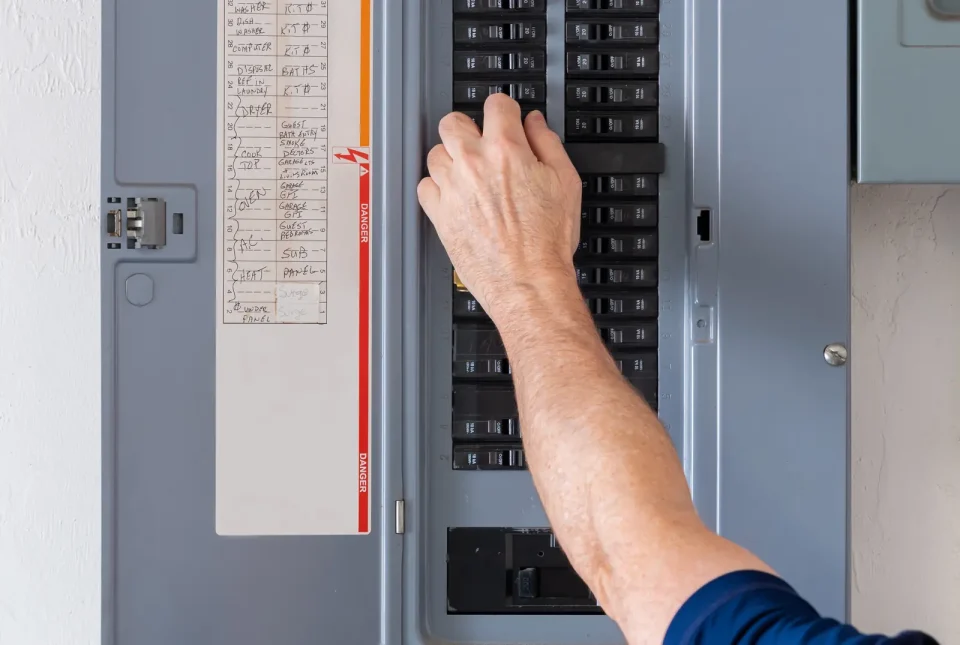
Possibly. Many homes can accommodate a hot tub without replacing the existing electrical panel, but panel capacity needs to be evaluated before installation.
Breaker space is only one consideration.
An electrician needs to look at the overall electrical system and the demands already placed on it. A home may have significant loads from heating and cooling equipment, electric cooking appliances, water heating, dryers, EV charging equipment, or other systems.
Two houses with electrical panels carrying the same service rating can therefore have very different amounts of available capacity.
An electrical assessment can determine whether the proposed hot tub can be accommodated safely or whether changes are needed.
Does Installing a Hot Tub Require a Panel Upgrade?
No. A hot tub installation does not automatically require an electrical panel upgrade.
Whether an upgrade is necessary depends on the home’s available electrical capacity, existing loads, panel condition, and requirements of the selected hot tub.
An upgrade may become a consideration if the existing system cannot appropriately accommodate the additional electrical demand or has other limitations that affect the installation.
However, homeowners should not assume a panel upgrade is necessary simply because a new dedicated circuit is being added.
A professional evaluation is the appropriate way to make that determination.
If the assessment identifies limitations with the existing system, The Go-To Crew Electric’s Electrical Panel services provide a natural next step for evaluating the available options.

What Installation-Site Factors Affect the Electrical Work?
Where you place the hot tub can affect the electrical portion of the project.
One consideration is the distance between the electrical panel and the installation site. The route required to supply the equipment can influence the scope of the electrical work.
Indoor and outdoor installations may also present different considerations.
Moisture Exposure Matters
Hot tubs create an environment where water and electricity are in close proximity. The electrical installation therefore needs to account for the location, moisture exposure, equipment specifications, and applicable safety requirements.
Other site features can also affect planning, including the layout of the property and the location of existing electrical equipment.
Choosing the hot tub location before arranging an electrical assessment gives the electrician a better understanding of the actual project.
What Happens During a Hot Tub Electrical Assessment?
A professional electrical assessment is designed to determine what the selected hot tub needs and whether the home’s existing electrical system can support it.
The electrician may review:
- Hot tub manufacturer specifications
- Required electrical supply
- Existing panel capacity and condition
- Current household electrical demand
- Available panel space
- Proposed hot tub location
- Distance and potential routing
- Required circuit and protective equipment
- Whether electrical upgrades may be necessary
This evaluation helps establish the electrical scope before installation begins.
If the current system is suitable, the project may move forward without major electrical upgrades. If limitations are identified, the homeowner can understand the available options before the hot tub is installed.
What Questions Should You Ask Before Installing a Hot Tub?
A little preparation can prevent surprises later.
Before purchasing or scheduling installation, consider asking:
- What are the manufacturer’s electrical requirements?
- Is the model plug-in or hardwired?
- Does it require a dedicated circuit?
- Can my existing electrical system accommodate the additional load?
- Is there appropriate capacity in my electrical panel?
- Will a disconnect or other protective equipment be required?
- How far is the proposed location from the electrical panel?
- Will the location affect the electrical installation?
- Are any electrical upgrades needed before delivery?
It is also helpful to give your electrician the exact manufacturer and model information rather than describing the hot tub only by size.
The more specific the equipment information is, the more accurately the electrical work can be planned.
What Midlothian Homeowners Should Know Before Adding a Hot Tub
Midlothian homeowners planning a hot tub installation should make electrical planning part of the project from the beginning.
Existing homes can differ significantly in electrical capacity, panel condition, previous upgrades, and the number of high-demand systems already installed. The electrical needs of the hot tub can also vary substantially by model.
For that reason, another homeowner’s installation is not necessarily a useful guide for your property.
Have the proposed location and hot tub specifications available when arranging an assessment. An Electrician in Midlothian, VA from The Go-To Crew Electric can evaluate the electrical system and determine what work may be necessary before installation.
FAQs
How much electricity does a hot tub require?
It depends on the specific model and its equipment. Heating systems, pumps, controls, size, and other features can affect electrical demand, so homeowners should use the manufacturer’s specifications when planning an installation.
Does every hot tub need a dedicated circuit?
Many hot tubs require dedicated electrical service, but requirements vary by model and installation. A qualified electrician should review the manufacturer’s specifications and applicable requirements.
Are plug-in and hardwired hot tubs electrically different?
Yes. Plug-in models and hardwired units can have significantly different electrical requirements. Do not assume the requirements for one type apply to another.
Can my existing electrical panel support a hot tub?
It may be able to. An electrician needs to evaluate overall household demand, available capacity, panel condition, and the hot tub’s electrical requirements rather than relying only on panel size or open breaker positions.
Will I have to upgrade my panel?
Not necessarily. A panel upgrade is only one possible outcome and should be based on an evaluation of the existing system and proposed additional load.
Why does a hot tub need an electrical disconnect?
A disconnect provides a means of disconnecting power from equipment when required. The appropriate arrangement depends on the hot tub and installation, so it should be determined by a qualified electrician.
When should I call an electrician about a new hot tub?
Ideally, contact an electrician after choosing the hot tub and proposed location but before installation. This allows the electrical requirements and available capacity to be evaluated before the project moves forward.
Get the Electrical Side Ready Before the Hot Tub Arrives
A hot tub should be planned around more than its size, features, and location. Understanding its electrical requirements ahead of time can help determine whether your existing system is ready or whether additional electrical work should be completed first.
At The Go-To Crew Electric, we can review your hot tub specifications, electrical panel, household demand, and proposed installation location to determine an appropriate electrical plan.
Before your new hot tub arrives, contact The Go-To Crew Electric for a professional electrical assessment and make sure the electrical side of your project is ready.